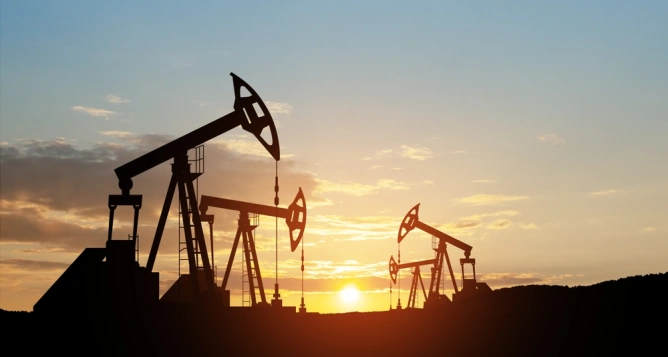
Denmark, Portugal, Luxembourg, and Spain published, on November 17, 2026, their roadmaps for phasing out fossil fuels. The decisions were presented during COP31 in Antalya, where the phaseout of coal, oil, and gas is one of the most contested issues.
The four states follow the examples of France, Germany, and the Netherlands. Finland had published its roadmap on November 11, reaffirming its commitment to phasing out fossil fuels, although it has not established a legally binding deadline for this transition.
A draft COP31 agreement calls, for the first time, for the “immediate transition” away from fossil fuels in energy systems and for accelerating their phaseout. However, the text is not yet final, and its adoption requires the consensus of the nearly 200 participating states. Oil- and gas-exporting countries are likely to oppose stronger wording.
Fossil fuels generate approximately 68% of global greenhouse gas emissions and nearly 90% of carbon dioxide emissions. Participants warn that electrification can reduce emissions only if energy is produced from clean sources. COP31 negotiations are expected to conclude on November 20, but they may be extended.
Romania is not among the European countries that have announced such plans.
Context: ahead of the roadmaps, leaders and the EU strongly pushed the agenda of phasing out fossil fuels at COP31
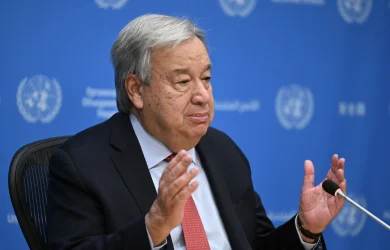
At the opening of the discussions at COP31, UN Secretary-General Antonio Guterres called for the elimination of fossil fuels and warned that industry lobbying is delaying climate action, saying that “the climate crisis is overtaking us.” The statements were made in Antalya, during a meeting with heads of state and government.
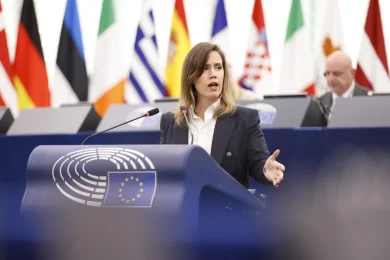
A few weeks earlier, the European Parliament had adopted a position for COP31 (on 22 October, in Strasbourg), calling for an acceleration of the phase-out of fossil fuels and plans with clear timelines for eliminating subsidies and production, as well as increased funding for vulnerable countries through grants and loans on favorable terms.