Romania’s budget deficit fell to 3.81% of GDP in the first nine months of 2026, from 5.31% in the same period last year, according to the execution of the general consolidated budget published by the Ministry of Finance. In nominal terms, the deficit decreased by 24.17 billion lei, to 78.30 billion lei.
In the third quarter, the deficit stood at 37.27 billion lei, or 1.81% of GDP, 4.11 billion lei below the programmed level. Budget revenues increased by 15.2%, to 180.17 billion lei, exceeding the quarterly target by 0.4%. Receipts from the domestic economy rose by 10.3%, while tax revenues increased by 12.4%, driven mainly by VAT.
Public investment reached 47.81 billion lei in the third quarter, up by approximately 15.6 billion lei compared with the same period in 2025. In the first nine months, investment totaled 107.77 billion lei, with European funds financing 65.6% of this amount. Payments for European projects and the NRRP increased by 68.6%, to 23.81 billion lei.
Total expenditure rose by 15%, to 217.45 billion lei. The increase was driven by investment, interest payments and payments related to the SAFE instrument. Interest expenditure reached 21.26 billion lei in the third quarter, 44.5% above the 2025 level.
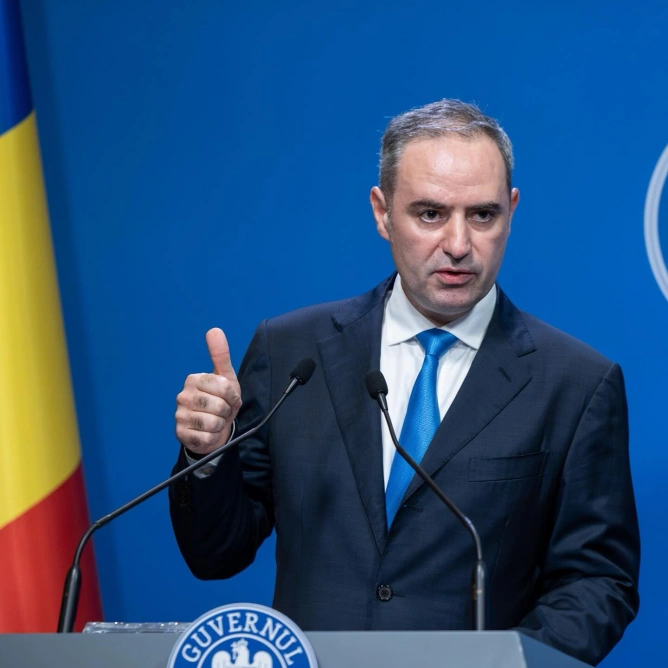
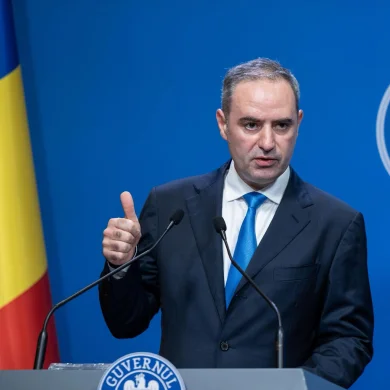
The deficit target of 6.2% of GDP for 2026 was maintained, but meeting it depends on the receipt of NRRP grants related to payment requests 5 and 6, worth approximately 4.23 billion euros. The Ministry of Finance warns that these revenues remain subject to adjustment risk until the milestones are validated by the European Commission. Minister Alexandru Nazare says the final quarter will be decisive.
ી,
Context: Romania’s deficit gradually decreased in 2026, after the second quarter was the weakest in the EUAfter Eurostat showed that Romania’s seasonally adjusted quarterly public deficit had reached 9.2% of GDP in the second quarter of 2026 — the highest level in the European Union — the Ministry of Finance subsequently communicated a correction. Thus, in the first 7 months of 2026, the deficit fell to 2.34% of GDP, and in the first 8 months to 2.89% of GDP, alongside increased revenues and the maintenance of spending at a slower pace.
At the same time, financing costs remained a sensitive point: in the first 7 months, interest expenses exceeded 40 billion lei, while Minister Alexandru Nazare warned that, although the results are promising, the deficit is not “resolved” and budgetary discipline remains necessary to reduce pressure on the budget.















.webp)









.webp)


