The housing crisis in Germany is worsening, and the authorities are proposing the reintroduction of a tax for high-income tenants occupying subsidized social apartments.
Matei Gaginsky



Diaspora
Foto: www.shutterstock.com

Always see our news on Google
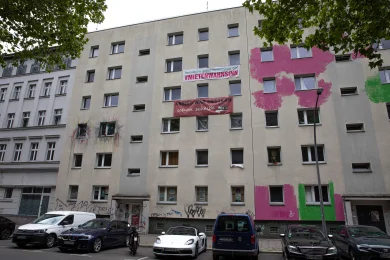
The housing crisis in Germany is becoming increasingly acute, especially regarding the lack of social apartments for low-income individuals. The number of these homes has dramatically decreased over the last two decades, and federal authorities are considering reintroducing an abusive occupancy tax. This tax would target tenants who, although no longer eligible, continue to benefit from subsidized rents. Access to social housing is based on a special certificate, but checks are rare, allowing some high-income tenants to remain in these apartments.
The Minister of Construction, Verena Hubertz, proposes that individuals who exceed the income threshold should pay an additional tax without being required to move. This model has already been applied in the state of Hesse since 2016. In Berlin, where the tax was eliminated in 2002, preparations are underway for a return to this system. The tax is calculated based on actual income and the average market rent, and those who legally move into a social housing unit are exempt from taxes for three or four years. Authorities warn that failing to declare income can lead to significant fines. The money collected from this tax will be used for the construction of new social housing, essential for social balance.
The Minister of Construction, Verena Hubertz, proposes that individuals who exceed the income threshold should pay an additional tax without being required to move. This model has already been applied in the state of Hesse since 2016. In Berlin, where the tax was eliminated in 2002, preparations are underway for a return to this system. The tax is calculated based on actual income and the average market rent, and those who legally move into a social housing unit are exempt from taxes for three or four years. Authorities warn that failing to declare income can lead to significant fines. The money collected from this tax will be used for the construction of new social housing, essential for social balance.
Sources

Latest News
22:55
Cristian Bușoi, Secretary of State at the Ministry of Energy, assures that Romanians will not receive double electricity bills for the same consumption next winter
22:48
Police conducted searches in a case involving card fraud after foreign tourists were allegedly deceived in the Old Town.
22:22
Radu Miruță announces measures for Romanian grain exports and denies that Ukrainian trains are being prioritized at the Port of Constanța
22:14
Marco Rubio urges Europe to “wake up from sleep” and strengthen its defense
21:54
Bulgaria invites Romania and Turkey for consultations after drone attacks on commercial vessels in the Black Sea
See more news
NEWS ON THE SAME TOPICS




Personalized news feed, AI-powered search, and notifications in a more interactive experience.