
Before the announcement of the political agreement, France and Germany agreed on a package intended to support the European automotive industry, alongside adjustments to climate objectives. The agreement aimed to reconcile the protection of the European market with the relaxation of the targets for 2035, so that manufacturers would have more leeway for combustion engines.
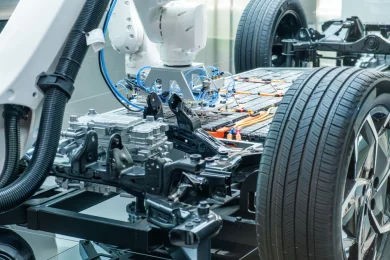
The compromise also included changes related to how emissions are treated, eliminating the requirement for manufacturers to offset residual emissions. In the same framework, rules linking funding and access to programs to the use of components produced in Europe or in countries considered close partners were supported, with mentions of including the United Kingdom in the definition of vehicles “made in Europe.”
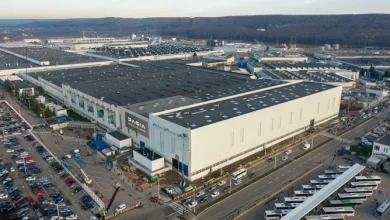
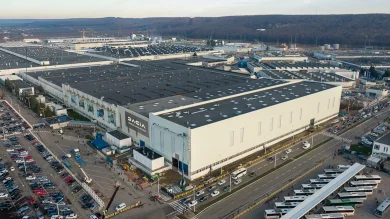
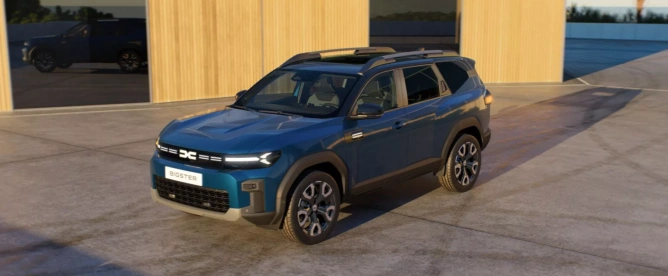
In Romania, discussions about competitiveness and costs have already been linked to Dacia’s production, and the authorities have been urged to take measures to reduce the gap compared with plants in other countries. In this context, measures such as the continuation of the Rabla program and the relaxation of rules concerning CO2 emissions were also cited as elements that could influence production and investment decisions.