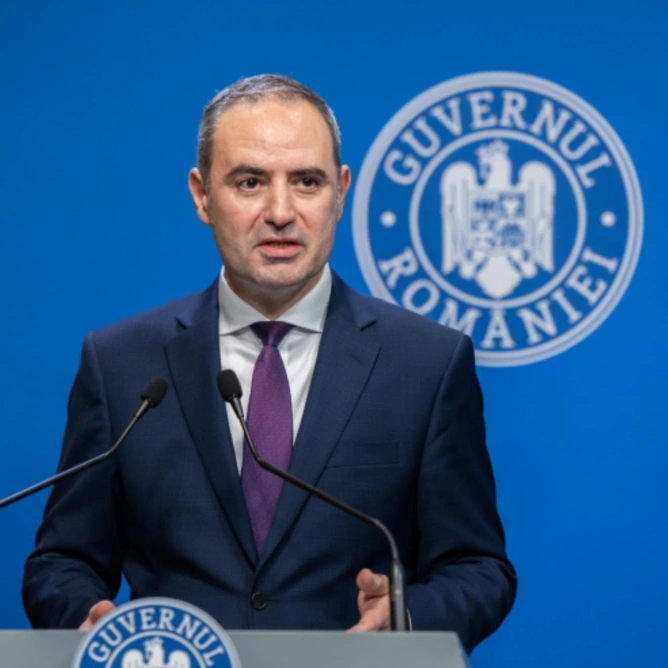
Romania wants to participate in the reconstruction of Ukraine, a process estimated at nearly $600 billion over the next ten years, through infrastructure and energy projects and economic partnerships. Finance Minister Alexandru Nazare made the statement on Thursday at the “Rebuilding Ukraine” conference, held at Romexpo.
The assessment conducted by the Ukrainian authorities, the World Bank, the European Commission and the UN includes repairing war damage, restoring public services and reviving economic activity. The work has already begun, despite Russian attacks.
Nazare identified three advantages for Romania: its geographical position, transport infrastructure and companies’ experience with internationally funded projects. The Port of Constanța, Danube ports, roads, railways and border crossings could support the transport of materials to Ukraine, following the model of the solidarity lanes.
In the energy sector, Romania is relying on gas from the Neptun Deep project, where production is expected to begin in 2027, as well as electricity interconnections and Ukraine’s storage capacity. Romanian companies could benefit from guarantees, insurance and financing through Exim Banca Românească and European funds. For 2026–2029, an instrument of up to one billion lei is planned for exports and external investments. The ministry is also seeking to expand cooperation through a memorandum signed in April between Exim and Privatbank.
Context: Romania is aligning its economic and logistical support for Ukraine, while officials are seeking external funding and partnerships
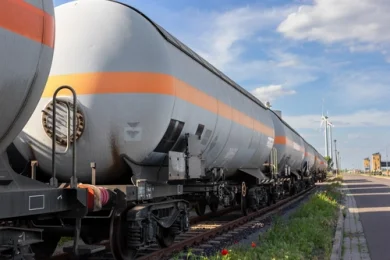
Prior to the statement regarding involvement in Ukraine’s reconstruction, Ukraine and Romania agreed to expand the routes used to supply fuel by rail and river transport, in response to Russian attacks on infrastructure in the region. The agreement was reached during discussions between Presidents Volodymyr Zelenskyy and Nicușor Dan, and the authorities also mentioned a pilot project for the underground storage of petroleum products.
At the same time, regarding funding and investment, Finance Minister Alexandru Nazare announced discussions with the U.S. International Development Finance Corporation (DFC) for a Romanian-American investment fund focused on strategic areas such as energy and infrastructure. Nazare also linked these efforts to strengthening fiscal predictability, following meetings in New York with representatives of J.P. Morgan.