Save the Children warns that explosive weapons have caused the death or injury of nearly 12,000 children in 2024, the highest level since 2006.
Lara Maior


Current Affairs
Anas-Mohammed/ Shutterstock.com

Always see our news on Google
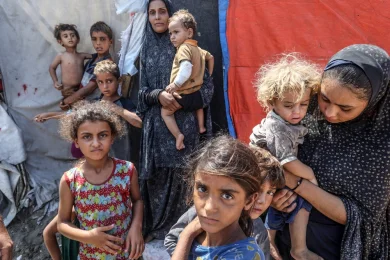
The organization Save the Children has published an alarming report regarding the devastating impact of explosive weapons on children in conflict zones. By 2024, approximately 11,967 children have been killed or injured, of which 4,676 did not survive, representing a 42% increase compared to 2020. The majority of cases, 70%, are caused by attacks with explosive weapons, such as bombs and mines. The report highlights that as fighting becomes more urban, these weapons affect schools, homes, and hospitals, violating international humanitarian law. The most affected regions include Gaza, Ukraine, and Sudan, and the authors call for a halt to the use of explosive weapons in populated areas and the protection of children in conflicts. It is also mentioned that the number of Palestinian children killed in Gaza has exceeded 20,000 in the recent period of conflict with Israel.
Sources

Aproape 12.000 de copii ucişi sau răniţi în 2024, bilanţ alarmant al violenţei din zonele de conflict

12.000 de copii au murit sau au fost răniți, anul trecut, în zone de conflict, majoritatea din cauza armelor explozive - raport Salvați Copiii

Peste 4.000 de copii morți în zone de război în 2024

NGO warns explosive weapons killed record number of children in 2024

Save the Children - Armele explozive au provocat un număr record de victime în rândul copiilor în 2024, aproximativ 11.967
Latest News
23:00
London authorities close traffic on Oxford Street: Britain’s busiest shopping street becomes pedestrian-only
22:55
Meta seeks to raise up to $95 billion to expand its artificial intelligence infrastructure
22:47
Audi CEO criticized in Germany after appearing alongside Trump / Gernot Döllner participated in the announcement of a $4.2 billion investment to build Audi’s first factory in the US
22:39
Kelemen Hunor estimates that the Luca Niculescu Government will remain in power until 2028: “If nobody brings you down, then you have no choice, you are condemned to govern”
22:33
Microsoft offers voluntary departures to approximately 60,000 employees across four countries amid massive investments in artificial intelligence
See more news
NEWS ON THE SAME TOPICS

International
UNICEF announces that 2,500 children have been killed or injured in Iran due to the war, with 386 deaths and 2,117 injured.

International
A damaged building collapsed in Gaza: at least 20 people have died, and dozens are being searched for under the rubble



Personalized news feed, AI-powered search, and notifications in a more interactive experience.