Bihor County Prefect Emilian Pavel approved, through Order No. 320 of November 10, 2026, new regulations on the accreditation of journalists at the Prefect’s Institution. The document replaces the 2017 regulations and introduces, in addition to administrative rules, obligations concerning the verification and presentation of information, requests for responses, and the conduct of media representatives.
The regulations require journalists to distinguish between verified facts, information under verification, and opinions; not to publish false or out-of-context information; to accurately reproduce official statements; and to correct significant errors. They must also request, whenever possible, the position of the institution or of the persons targeted by allegations and behave professionally and respectfully.
Failure to comply with these provisions may constitute grounds for refusing or withdrawing accreditation if it affects the normal operation of the Prefect’s Institution. The document states that the measure must be proportionate, based on verified facts, and communicated in writing. At the same time, the regulations specify that the institution may not exercise editorial control over materials, require their approval before publication, or intervene in the journalistic process.
The provisions have sparked controversy because accreditation could, in certain situations, become an administrative tool in a conflict between the press and the institution’s leadership. Law 544/2001 allows accreditation to be refused or withdrawn only for actions that hinder the authority’s activity, not for opinions expressed by journalists.
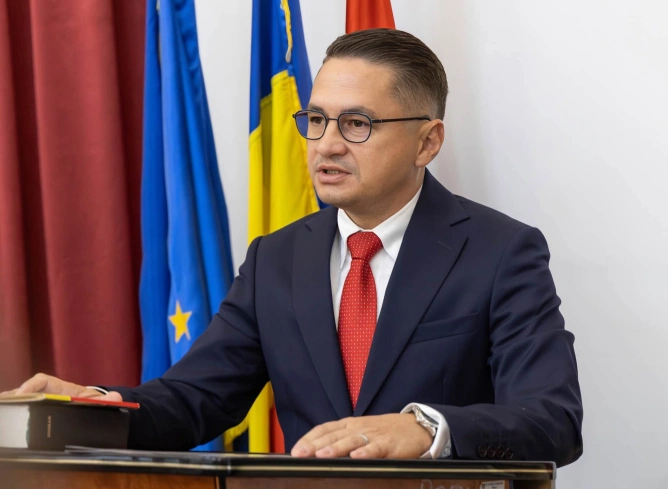
Emilian Pavel, a PSD member since 2001 and a former deputy prefect, was appointed Bihor prefect on October 30, 2026, and took the oath on November 2, replacing Marcel Dragoș.
<|end|>
Context: Previous controversies regarding limiting journalists’ access to public events and the interpretation of Law 544/2001
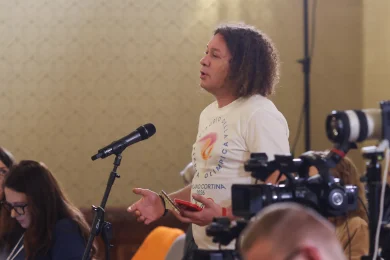
Before the accreditation regulations at the Prefect’s Institution were approved, discussions about how much press access can be restricted resurfaced in Romania after President Nicușor Dan barred journalist Ovidiu Vanghele from attending press conferences at Cotroceni Palace. The decision was publicly criticized, and members of the National Audiovisual Council spoke of a “dangerous precedent” for press freedom.
At the same time, legal analyses emerged invoking Law 544/2001: authorities should grant accreditation without discrimination, while the refusal or withdrawal of accreditation would be permitted only in situations that hinder the institution’s activities, not because of opinions. Provisions were also cited according to which press access to public events cannot be prohibited.