The NeuroXess company from Shanghai has made significant progress in brain-computer interfaces, allowing control of household appliances through thoughts and real-time decoding of the Mandarin language.



Always see our news on Google
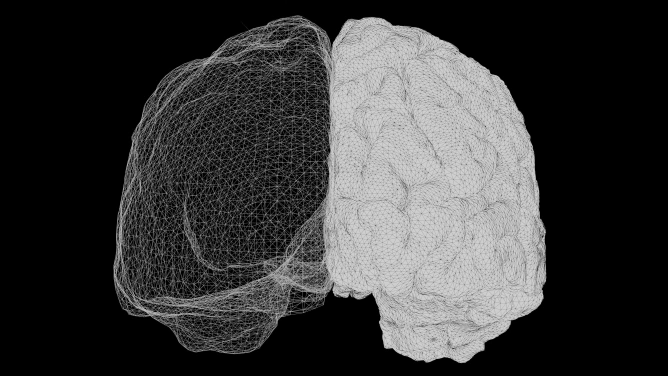
The start-up NeuroXess from Shanghai has made significant strides in the field of brain-computer interfaces, using large language models to improve the decoding of neural activity.
Recently, a patient with spinal cord injuries managed to control appliances through thoughts, using a brain implant connected to a data transmitter. The company has also developed an AI model capable of decoding Mandarin in real-time, at a speed of 300 characters per minute, exceeding the average speaking rate. Other innovations include a smart wheelchair from Maschine Robot, designed for patients with Amyotrophic Lateral Sclerosis, which decodes movement intentions.
The Chinese government supports these advances, aiming to become a global leader in neurotechnology by 2030, but also raises ethical dilemmas regarding neural data privacy. Authorities have imposed strict rules to protect patients, including obtaining written consent. International collaboration, despite geopolitical tensions, remains essential for advancing this industry.
Sources


Latest News
11:02
11:01
11:01
10:59
10:55
See more news
NEWS ON THE SAME TOPICS
















.webp)