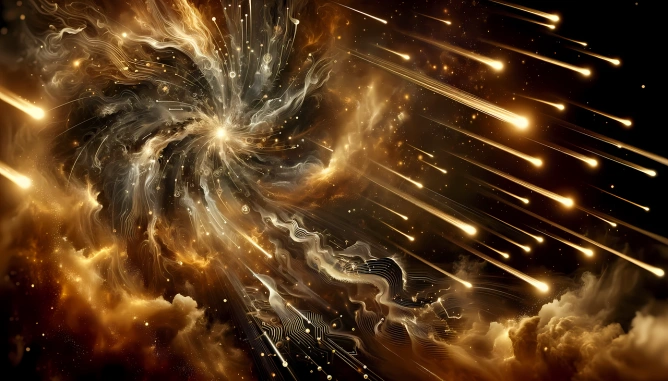
Perseids are an annual meteor shower that occurs when the Earth passes through the debris of comet 109P/Swift-Tuttle, estimated to be older than our planet
Lara Maior


IT&C knowledge
Foto Pixabay

Always see our news on Google
The annual Perseid event occurs when the debris of comet 109P/Swift-Tuttle burns up in Earth's atmosphere. This comet, which visits the inner solar system every 133 years, will return to our vicinity in 2126. Although it is the largest object to approach Earth, there is no immediate risk. The meteor shower appears to be coming from the constellation Perseus, and astronomers recommend looking east-southeast or towards the constellation Ursa Major to see it best.
Sources

Pasionații de astronomie se pregătesc pentru ploaia de meteoriți. Când are loc apogeul Perseidelor

Perseidele, fenomen spectaculos pe cer. Ploaia de stele căzătoare atinge apogeul în noaptea de 12 august

Perseidele, cea mai spectaculoasă ploaie de stele din an, ating maximul diseară 🌠 Locurile din București și din jur de unde le vedem, dacă prognoza meteo ține cu noi

Perseidele au luminat cerul nopții. Sute de oameni au privit spectacolul cosmic în județul Tulcea: „Ne bucurăm foarte mult”

Perseide 2025: Fenomenul astronomic atinge apogeul în această noapte. Din ce zone se pot observa până la 100 de meteori pe oră
Latest News
23:03
German trade unions denounce abuses on farms in the state of Hesse, where many Romanian seasonal workers work up to 12 hours a day without being paid properly
22:44
Dominic Fritz: “Many of Nicuşor Dan’s voters tell us that they are disappointed”
22:40
The Foreign Ministry warns of traffic restrictions and diversions in Belgrade on October 22
22:37
Meta receives a record $25 billion fine / Judge accuses company of misleading the public
22:34
Kallas: The EU and Turkey support an arrangement for freedom of navigation in the Black Sea
See more news

Personalized news feed, AI-powered search, and notifications in a more interactive experience.