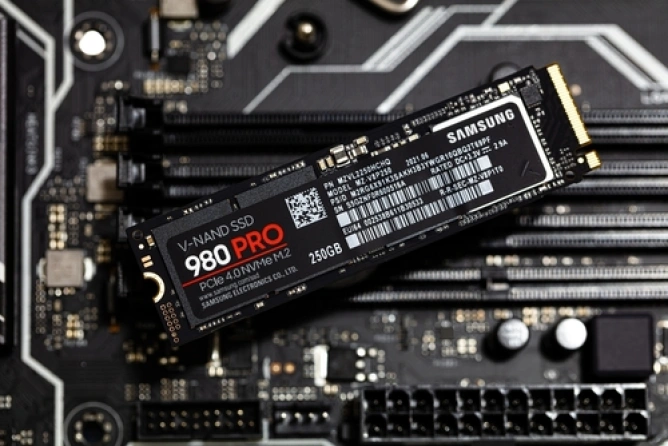
SSDs have become the standard choice for daily storage due to their speed and efficiency. A major drawback is that data stored on SSDs gradually degrades when the unit is not powered.



Always see our news on Google
This makes them a poor choice for long-term archiving, especially for professionals who rely on archived data. SSDs use NAND flash cells to store data, and the type of NAND affects the lifespan of unpowered data: QLC (~1 year), TLC (~3 years), MLC (~5 years), and SLC (~10 years). Most modern SSDs use TLC or QLC, making them vulnerable to data loss if left unused for several years. Although SSDs are reliable for daily use, it is essential to have a solid backup system, following the 3-2-1 rule: 3 copies of the data, 2 different types of storage, and 1 copy stored off-site.
In conclusion, SSDs are not suitable for long-term storage of unpowered data, and users should invest in alternative solutions and effective backup strategies.

Latest News
20:45
20:30
20:17
19:57
19:34
See more news
NEWS ON THE SAME TOPICS