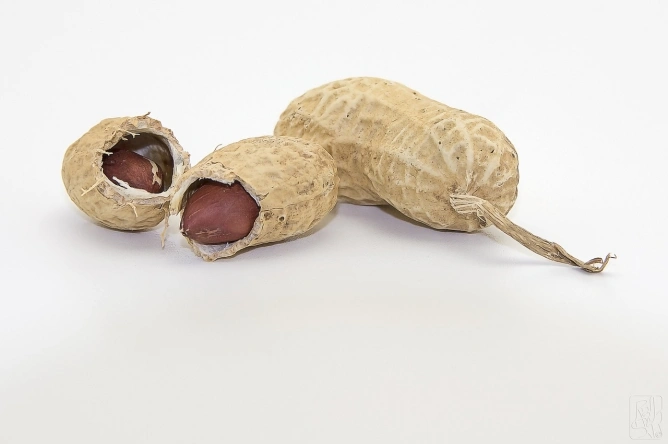
A team from Australia has developed an eco-friendly and inexpensive method to transform peanut shells into graphene, a basic material for electronics.
Radu Burcă


IT&C knowledge
Foto: pixabay.com

Always see our news on Google
A team of researchers from the University of New South Wales (UNSW) in Australia has created an innovative and environmentally friendly method to transform peanut shells into graphene, an essential material for electronic devices and energy storage systems. This discovery promises to reduce costs and improve the sustainability of electronic products. The process involves heating the shells to 500 degrees Celsius to obtain a carbon-rich charcoal, followed by a rapid exposure to temperatures of about 3,000 degrees, which rearranges the carbon atoms into a single-layer graphene. This method does not use chemicals or fossil fuel-based additives and allows for the production of one kilogram of graphene at an energy cost of just 1.3 US dollars, in about ten minutes. Researchers intend to expand this method to also use other organic waste, such as coffee grounds or banana peels, for the purpose of sustainable commercial graphene production in the next three to four years.
Sources

Cercetătorii australieni au reușit să transforme cojile de arahide în grafen, cel mai subţire, rezistent şi conductiv material cunoscut, pentru a fi folosit la baterii şi dispozitive electronice

Descoperirea care poate revoluționa industria bateriilor electrice. Cercetătorii transformă cojile de arahide în grafen
Latest News
23:06
Ilie Bolojan responded after being asked whether he is considering the presidential election: “Until 2030, we have 2028”
22:49
The coach of CSKA 1948 Sofia has died at the age of 64
22:37
Emmanuel Macron, after the violent protests in France: "Those who destroyed must pay"
22:22
George Simion reacted after Marius Lulea’s accusations regarding the pig’s head: “I will probably be blamed for the rain too”
22:03
Romania could lose production of the Duster and Bigster / Head of Dacia Romania: “The plants in Morocco pay less than half of Romania’s energy price”
See more news
NEWS ON THE SAME TOPICS

Current Affairs
Romania reopens the way for the exploitation of graphite from Baia de Fier. The project could generate revenues of 300 million dollars annually.
International
China built a road in Shanghai from 6,000 milk bottles



Personalized news feed, AI-powered search, and notifications in a more interactive experience.