


Archaeologists have discovered a copy of Homer's Iliad in the abdomen of an Egyptian mummy, providing new insights into the funerary practices of ancient Egypt.
Lara Maior


International
bubu.com/ Shutterstock.com

Always see our news on Google
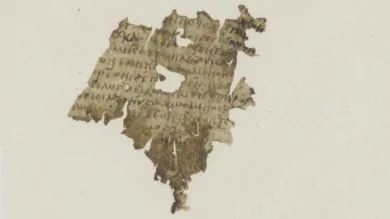
A team of archaeologists from the Institute of Near Eastern Studies at the University of Barcelona has discovered a copy of Homer's Iliad in the abdomen of a mummy from a Roman tomb, approximately 1,600 years old, in Oxyrhynchus, Egypt. This is the first time a Greek literary text has been found in the context of the mummification process, which has significant implications for understanding funerary practices and religious life in ancient Egypt. Until now, mummies from this period contained papyri with magical or ritual texts, but not literary ones. The discovered fragment is part of the catalog of ships in Book II of the epic and includes a famous passage about the Greek forces gathered before Troy. Researchers are unsure why this specific text was chosen for mummification, but the discovery underscores the importance of Oxyrhynchus as a cultural center during the Greco-Roman period. Previous excavations in the ancient city have led to the discovery of 52 mummies from the Ptolemaic period, many of which had "golden tongues," symbolizing preparation for the afterlife.
Sources


Latest News
15:09
Radu Miruță: “Dominic Fritz remains the USR leader until 2029”
14:54
Andrés Ritter takes over leadership of the European Public Prosecutor’s Office; Kövesi warns of risks to the institution’s independence
14:46
Ciara Mageean, the European 1,500-metre champion, has died at the age of 34 after a battle with bowel cancer
14:39
Marc Marquez won the Malaysian Grand Prix and moved closer to his eighth MotoGP world title
14:20
A ride-sharing driver in Bucharest was attacked with a knife / The client was placed under preventive arrest
See more news
NEWS ON THE SAME TOPICS
Arts & Lifestyle
A researcher discovered a rare fragment of Homer's Odyssey in a Dutch library, hidden among ancient Egyptian texts

International
Greece is developing the archaeological site on Ithaca associated with Odysseus’ legendary palace


Personalized news feed, AI-powered search, and notifications in a more interactive experience.


