The US military attack on Iran has strained transatlantic relations, with European leaders such as Macron, Starmer, and Sánchez refusing to support Trump's actions.
Lara Maior


International
Evan El-Amin/ Shutterstock.com

Always see our news on Google
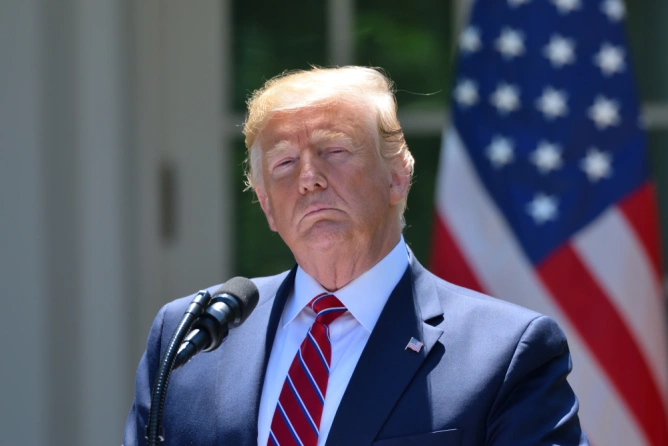
The military attack by the United States on Iran has deepened the rift in transatlantic relations, with European leaders such as Emmanuel Macron, Keir Starmer, and Pedro Sánchez resisting Donald Trump's pressures to support the war. They have taken firm positions, refusing to allow American planes to take off from their territories for attacks. This situation has generated frustration among American officials, with Trump harshly criticizing European leaders. At the same time, Europe's increasingly firm stance against American actions in the Middle East could lead to a major trade confrontation between the U.S. and the European Union. The current tensions remind us of the rupture in transatlantic relations caused by the invasion of Iraq in 2003. Although European leaders maintain their positions, there is an awareness of dependence on the U.S. for security, and European officials emphasize the need to express concerns about American actions to maintain credibility in front of other global actors, such as Russia. This complicated dynamic could have long-term consequences for international alliances.
Sources


Latest News
17:06
TRANSCRIPTS from the PSD meeting, Olguța Vasilescu suggests a six-month probationary period for designated Prime Minister Luca Niculescu
16:59
The German interior minister warns that the “shadow war” surpasses the threats seen during the Cold War
16:58
Supermarkets in France affected by a cyberattack that compromised refrigeration systems
16:46
Sfantu Gheorghe City Hall Calls on the FRF to Impose Sanctions After Xenophobic Chants at the Sepsi OSK-Dinamo Match
16:45
The former principal of a school in Bihor has been sent to trial for four sexual assaults against underage students
See more news
NEWS ON THE SAME TOPICS
International
The United States bombed sites in Iran, in response to the attack in which two American soldiers lost their lives in Jordan.
.webp)
International
Donald Trump, dilemma regarding the conflict in Iran: “Do I want to get involved and annihilate them or not?”
.webp)

Personalized news feed, AI-powered search, and notifications in a more interactive experience.