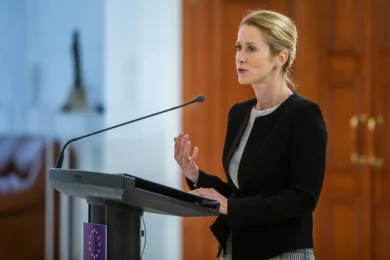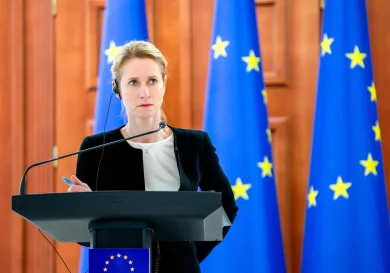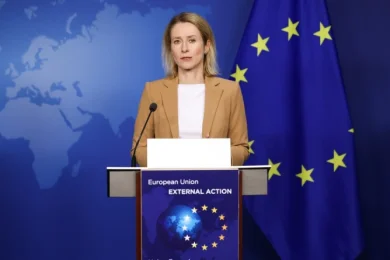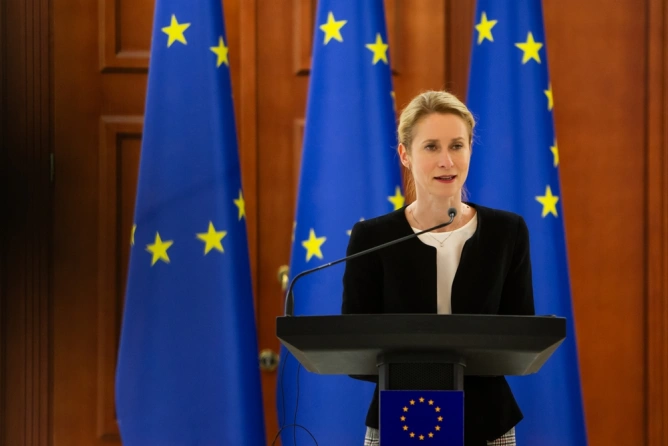

Before this week’s position, the EU’s foreign policy chief called on Europeans, in a message from Lisbon (November 5), to adopt a common position in the negotiations for peace in Ukraine and reaffirmed that immobilized Russian assets must remain frozen until Russia pays compensation. Kallas linked the lifting of sanctions and the unfreezing of assets to European decisions and insisted that the discussions cannot be separated from ending the war and respecting obligations regarding sovereignty and territorial integrity.
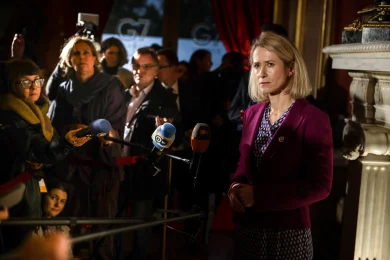
Later, in Dublin (before a European summit), Kaja Kallas warned those who might participate in the negotiations not to fall into Moscow’s “traps” and said that the priority was securing a ceasefire, while also criticizing the tendency to discuss the security architecture too early in the absence of a truce. Along the same lines, she argued that Moscow had shown no signs of negotiating in good faith, while Russia indicated that it would decide on expanding the format of the talks after assessing the Europeans’ intentions.


.webp)