International Holocaust Remembrance Day: 55% of Europeans consider antisemitism a problem, 47% acknowledge an increase in the last five years




Always see our news on Google
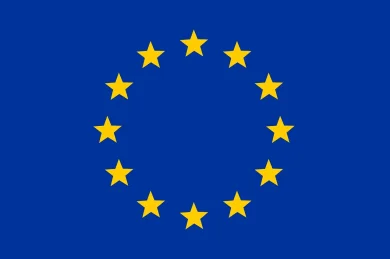
The European Commission has published the results of a Eurobarometer survey regarding the perception of antisemitism, showing that a majority of Europeans (55% in 2025, compared to 50% in 2018) consider antisemitism a problem in their country. Almost 7 out of 10 Europeans (69%) believe that conflicts in the Middle East have an influence on the perception of Jews in their country.
Brussels, January 27, 2026 – On the occasion of the International Holocaust Remembrance Day, the European Commission has published the results of a Eurobarometer survey regarding the perception of antisemitism. The results show that a majority of Europeans (55% in 2025, compared to 50% in 2018) consider antisemitism a problem in their member state.
In brief
55% of Europeans consider antisemitism a problem in their country (vs 50% in 2018)
47% acknowledge an increase in antisemitism in the last 5 years (+11 percentage points compared to 2018)
Frequently cited manifestations: hostility in public spaces (62%, +11pp), antisemitic graffiti (61%, +10pp), online antisemitism (61%, +10pp)
69% of Europeans believe that conflicts in the Middle East influence the perception of Jews (vs 54% in 2018)
48% believe that the Holocaust is taught sufficiently in schools (vs 43% in 2018)
66% are aware of laws that criminalize incitement to antisemitic violence (vs 61% in 2018)
52% know about laws that criminalize Holocaust denial (vs 42% in 2018)
€28 million+ EU funding for European Remembrance projects 2026-2027
47% of Europeans acknowledge an increase in antisemitism in their country over the past five years, an increase of 11 percentage points compared to 2018. Hostility in public spaces (62%, +11pp), antisemitic graffiti (61%, +10pp), and online antisemitism (61%, +10pp) are the most frequently cited manifestations. Almost 7 out of 10 Europeans (69%, compared to 54% in 2018) believe that conflicts in the Middle East have an influence on the perception of Jews in their country.
The Commissioner for Home Affairs and Migration, Magnus Brunner, stated: "Jewish culture is woven into the fabric of European history. We must protect and nurture this today and well into the future. Remembrance ensures that we never forget historical truth. We remember, together."
The survey also found that half of Europeans (48%, compared to 43% in 2018) believe that the Holocaust is taught sufficiently in schools. Additionally, an increasing number of Europeans (66%, compared to 61% in 2018) are aware of laws that criminalize incitement to antisemitic violence. Half of Europeans (52%, compared to 42% in 2018) know about laws that criminalize Holocaust denial.
In October 2024, the European Commission published its progress report on the first EU Strategy to combat antisemitism and promote Jewish life, adopted in October 2021. The strategy coordinates the fight against antisemitism in the EU, establishing a series of measures to prevent all forms of antisemitism, secure and promote Jewish life in Europe, and promote Holocaust remembrance. Work on all 90 actions of the strategy is ongoing, the most recent being the launch of a European Network of Holocaust Memorials (ESHEM) to create synergies among the over 44,000 memorials in Europe.
On January 20, the Commission also presented its new EU anti-racism Strategy 2026-2030, which aims to combat all forms of racism, including antisemitism. The framework decision on combating racism and xenophobia ensures that serious manifestations of racism and xenophobia, including public approval, denial, or minimization of the Holocaust, are punished with effective, proportionate, and dissuasive criminal sanctions.
In 2023, the Commission adopted the Communication "There is no place for hate: a united Europe against hate" to intensify efforts to combat hate in all its forms. In this context, the European Citizens' Panel on combating hate in society, composed of 150 randomly selected citizens, has formulated a series of policy recommendations.
As part of the Citizens, Equality, Rights and Values (CERV) program, the Commission will provide over €28 million in EU funding to support projects on European Remembrance in 2026-2027. Priority will be given, among others, to projects aimed at strengthening remembrance, education, and research on the Holocaust or combating denial and distortion of the Holocaust. With the support of the Erasmus+ program and as part of the EU-funded project "Addressing antisemitism through education", UNESCO is launching a survey on knowledge and understanding of antisemitism among teachers.
The International Holocaust Remembrance Day is marked annually on January 27, the date in 1945 when the Auschwitz-Birkenau concentration and extermination camp was liberated by the Red Army. The day commemorates the victims of the Holocaust and other genocides.
The EU Strategy to combat antisemitism and promote Jewish life, adopted in October 2021, is the first comprehensive strategy at the European level addressing all forms of antisemitism. The strategy includes 90 concrete actions organized around three pillars: preventing all forms of antisemitism; protecting and promoting Jewish life; and education, research, and remembrance of the Holocaust.
The European Network of Holocaust Memorials (ESHEM) has been launched to coordinate and strengthen cooperation among the over 44,000 Holocaust memorials in Europe, facilitating the exchange of best practices and the development of common approaches for education and remembrance.
Latest News
16:19
16:07
16:06
15:54
15:50
See more news
NEWS ON THE SAME TOPICS


.webp)