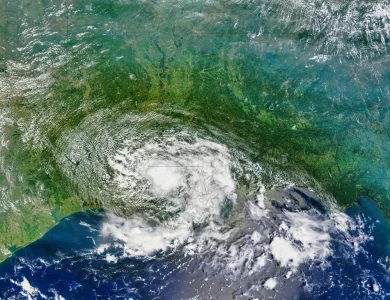
Hurricane Isaias made landfall in Florida / Gusts reached 165 km/h, and authorities ordered evacuations



Always see our news on Google
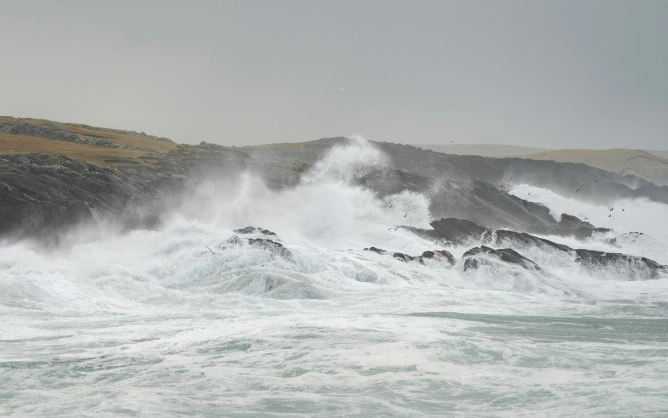
Hurricane Isaias made landfall in Florida on Friday evening, with gusts of up to 165 km/h and major flood risks. The storm prompted states of emergency in Florida and Alabama, as well as evacuations in exposed areas.
The National Hurricane Center announced that the storm reached the mainland during the evening. Before impact, violent gusts were felt in the Pensacola area, where roofs were reported torn from homes and commercial buildings.
Florida Governor Ron DeSantis warned that authorities expected considerable damage along the state’s northwestern coast. Emergency response teams were mobilized, while residents in vulnerable regions were urged to follow evacuation orders and meteorologists’ warnings.
The hurricane immediately affected the energy sector as well. Approximately two-thirds of oil production and more than half of regional gas production were temporarily shut down, removing nearly 1.5 million barrels of oil per day from the global market. Chevron and Shell evacuated their personnel from offshore platforms.
Meteorologists estimated that Isaias would weaken after making landfall, but warned that the wind, heavy rains and flooding remained dangerous. It is the first hurricane to strike the continental United States in the past two years. Climatologists say record water temperatures in the Gulf of Mexico, amplified by climate change, helped fuel the storm’s rapid intensification.
มี:Sources


Latest News
19:08
18:51
18:45
18:35
18:25
See more news
NEWS ON THE SAME TOPICS