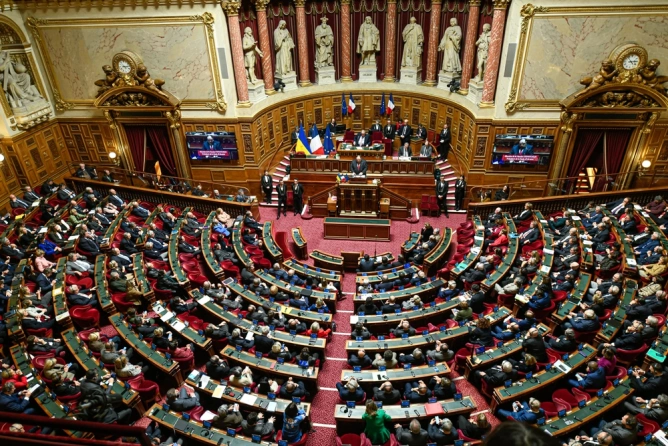

Before the parliamentary vote on the budget, the government in Paris announced that France’s economy was expected to grow by just 0.5% in 2026 and that the target of a budget deficit of 5% of GDP could no longer be achieved. The Finance Minister attributed the revision to domestic political uncertainties, rising energy prices, extreme weather conditions during the summer, and higher borrowing costs, while nevertheless maintaining the growth forecast for the following year.
At the same time, France was facing widespread protests and increasingly visible budgetary pressure: public debt had reached approximately 3,500 billion euros, while the yield on 10-year French bonds had risen to 5.14% (the highest level since 2002). The government was also rejecting requests to change the presidential election schedule, citing the risk of further acts of violence following previous protests and arguing that the election must take place on the scheduled dates.