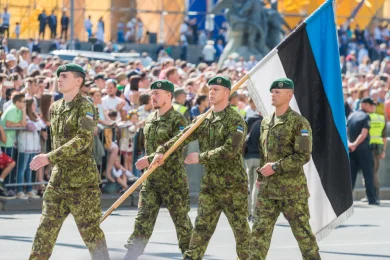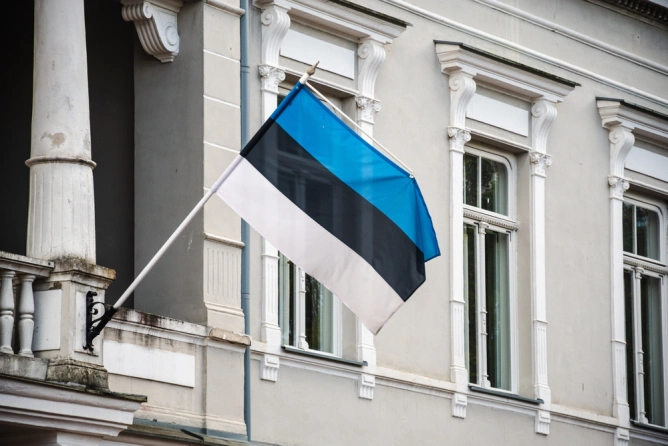

Before the decision to close the crossings, Estonia had already adjusted its defense strategy, moving the 1st Brigade from Tapa to Johvi, about 50 kilometers from the border with Russia, with troops permanently stationed in the area. Tallinn described the move as “active defense,” ordered HIMARS systems (rockets with a range of up to 300 km) and Chunmoo systems, and reported a 42% increase in military spending, to 2.4 billion euros.
Also against the backdrop of tensions in the Baltic region, Estonia banned the transit of grain originating from Russia and Belarus, in a measure presented as preventive to prevent its redirection to Estonian ports. In parallel, Russia introduced restrictions in the region near the border, including limiting movement and access on the Narva River, citing the prevention of illegal crossings and the protection of resources.