.webp)

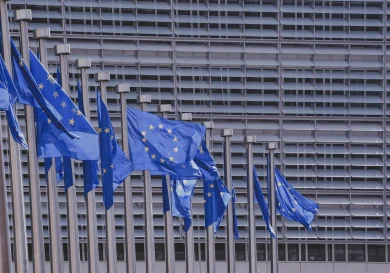
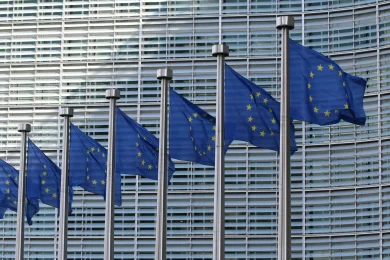
Before Canada’s announcement, the European Union had already adopted a series of extensive measures against Russia’s military industry. In one round, the EU added 826 companies and 743 directors, with a major portion of the designations linked to ballistic missile production chains, from component suppliers (semiconductors, communications equipment, optical and navigation systems) to firms in the networks that feed production.
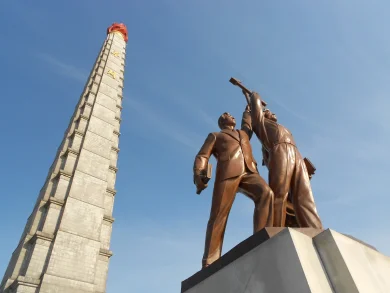
In turn, before this wave, EU foreign ministers had also discussed and advanced additional listings, targeting approximately 1,600 individuals and entities in the military-industrial sector, with the aim of making it more difficult to produce the weapons Russia uses in the war in Ukraine. In parallel, the EU also addressed the component of cooperation with North Korea, sanctioning entities and individuals involved in Russia–North Korea ties which, according to the Council, support both Pyongyang’s military programs and Moscow’s war effort.


.webp)