A recent study has highlighted the strongest argument linking vaping to oral and lung cancer.
Radu Burcă


Health
Foto: pexels.com

Always see our news on Google
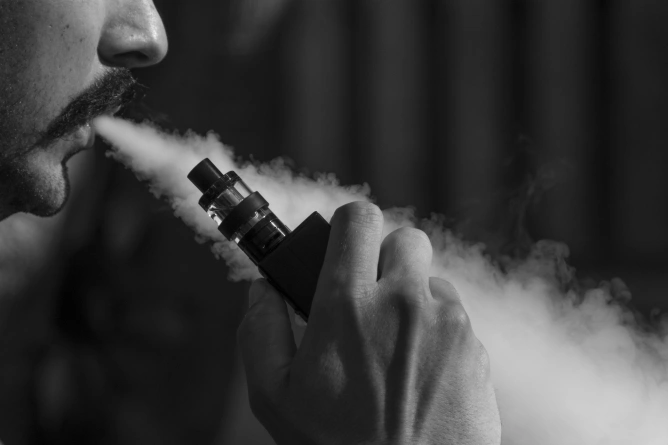
A comprehensive review of the evidence suggests that vapes, also known as electronic cigarettes, may cause oral and lung cancer. Although there are no long-term studies that directly confirm this, researchers have analyzed the effects of the chemicals inhaled by vape users, which contain nicotine and vaporized metals. The inhaled aerosols demonstrate characteristics of carcinogens identified by the World Health Organization. Blood and urine analyses have shown the presence of cancer-related chemicals in the bodies of vapers, including carcinogenic metals. DNA mutations have also been observed in oral and lung tissues, as well as changes in cancer biomarkers. Previous studies have not covered the full range of evidence, but recent research shows a significant shift in conclusions, suggesting that the cancer risk associated with vapes cannot be considered lower than that of smoking. Although there is no direct evidence that vapes cause more cases of cancer, extensive and well-planned research is needed to determine the real impact of vaping on health.
Sources

Latest News
20:02
The head of the Iași County Council, Costel Alexe, accuses Alexandru Rogobete of a “political vendetta” following the announcement of inspections at the Children’s Hospital in Iași
19:40
Emil Boc, message on Romanian Army Day: “Today we are experiencing the most difficult moments since 1989”
19:26
Two Ukrainians were rescued from the Maramureș Mountains after crossing the border into Romania
19:12
Authorities in Moldova are keeping several public platforms unavailable following a new attempted cyberattack
19:01
Education Minister Sorin Costreie calls for private tutoring to be brought into the tax system and says the scale of the phenomenon points to major problems in Romanian schools
See more news

Personalized news feed, AI-powered search, and notifications in a more interactive experience.