A study from Sweden shows that artificial intelligence can identify individuals at high risk of melanoma up to five years before the disease appears, improving prevention and diagnosis.
Lara Maior


Health
Andriy Popov / Alamy / Profimedia

Always see our news on Google
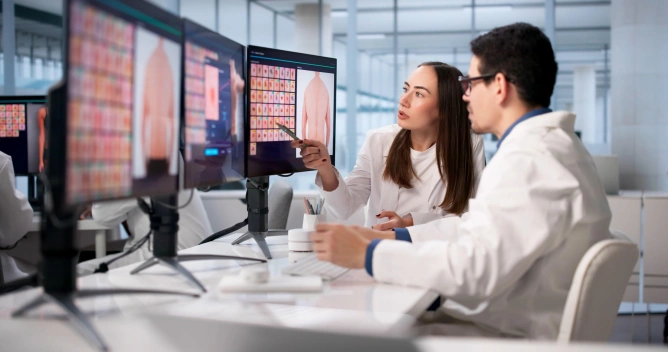
A new study conducted by researchers at the University of Gothenburg, Sweden, suggests that artificial intelligence (AI) can identify individuals at high risk of melanoma up to five years before the disease appears. Analyzing medical data from approximately 6 million adults, the researchers used AI models that included complex information, such as medical history and sociodemographic data, unlike traditional methods that focus on age and sex. The results showed an accuracy of 73% in identifying melanoma cases, compared to 64% in classical assessments. The study highlighted the ability to identify small groups at extremely high risk, where the probability of developing melanoma in the next five years is about 33%. This paves the way for effective preventive interventions. Melanoma, an aggressive form of skin cancer, requires early detection to improve survival rates. The authors of the study suggest using AI to prioritize patients based on risk, but emphasize the need for further studies and policy decisions to integrate these technologies into medical practice.
Sources


Latest News
23:00
London authorities close traffic on Oxford Street: Britain’s busiest shopping street becomes pedestrian-only
22:55
Meta seeks to raise up to $95 billion to expand its artificial intelligence infrastructure
22:47
Audi CEO criticized in Germany after appearing alongside Trump / Gernot Döllner participated in the announcement of a $4.2 billion investment to build Audi’s first factory in the US
22:39
Kelemen Hunor estimates that the Luca Niculescu Government will remain in power until 2028: “If nobody brings you down, then you have no choice, you are condemned to govern”
22:33
Microsoft offers voluntary departures to approximately 60,000 employees across four countries amid massive investments in artificial intelligence
See more news

Personalized news feed, AI-powered search, and notifications in a more interactive experience.