Thursday 13:00
The European Commission calls on member states to apply new rules for consumers, medical personnel, and workers exposed to toxic substances.
2eu.brussels


EU
Foto: 2eu.brussels

Always see our news on Google
The European Commission has opened new infringement procedures against several member states that have not notified the complete transposition into national legislation of three European directives. The files concern rules for protecting consumers in the green transition, updating vocational training for certain medical professions, and protecting workers exposed to lead and diisocyanates.
The targeted states receive letters of formal notice and have two months to respond to the Commission and to finalize the transposition of the directives. If the response is not deemed satisfactory, the Commission may proceed to the next stage of the procedure and issue a reasoned opinion.
In short
The Commission has opened infringement procedures for the incomplete transposition of three European directives. 20 member states are targeted for the incomplete transposition of the directive on strengthening the role of consumers in the green transition. 8 member states are targeted for the incomplete transposition of the new training requirements for nurses, dentists, and pharmacists. 10 member states are targeted for the incomplete transposition of the rules on protecting workers exposed to lead and diisocyanates. Member states have two months to respond and to notify the complete transposition before the European Executive can issue reasoned opinions.
The first file concerns the Directive on strengthening the role of consumers in the green transition. The Commission has sent letters of formal notice to 20 member states: Belgium, Bulgaria, Czech Republic, Estonia, Greece, Spain, France, Croatia, Cyprus, Latvia, Luxembourg, Hungary, Malta, Netherlands, Austria, Poland, Portugal, Slovenia, Finland, and Sweden.
The directive aims to make environmental claims and sustainability labels more reliable and transparent. It targets combating greenwashing, preventing premature product obsolescence, and providing consumers with better access to information about the sustainability and repairability of products, as well as their legal warranty rights. The deadline for transposition was March 27, 2026.
The stakes for consumers are practical: "green," "sustainable," or "repairable" claims must be easier to verify, and consumers should receive clearer information before choosing a product. For companies, full implementation of the directive should create more coherent rules regarding environmental claims and sustainability labels in the internal market.
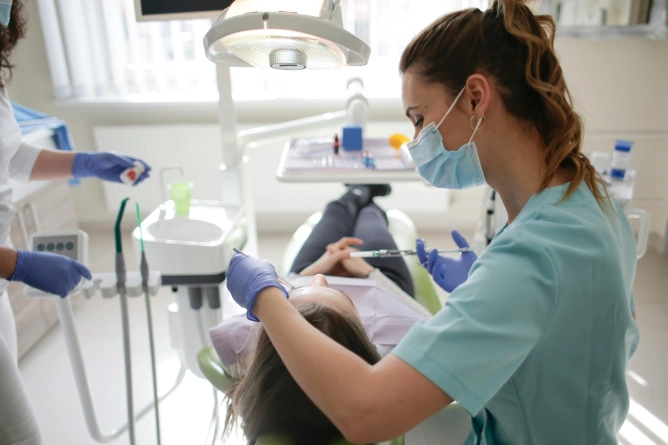
The second file concerns the recognition of professional qualifications and the updating of minimum training requirements for general care nurses, dentists, and pharmacists. The Commission has opened procedures against eight member states: Denmark, Germany, Greece, Croatia, Cyprus, Malta, Austria, and Portugal. The deadline for transposition was March 4, 2026.
The new rules update training requirements to reflect widely recognized scientific and technical developments. The Commission mentions areas such as e-health, digital technologies, immunology, regenerative medicine, dentistry, biopharmaceuticals, biotechnology, genetics, and pharmacogenomics.
This part of the decision is relevant for professional mobility and the quality of medical training in the European Union. Updating the minimum requirements can influence how diplomas are recognized among member states and how health professionals are prepared for new technologies and treatments.
The third file concerns the protection of workers against exposure to lead and diisocyanates. The Commission has sent letters of formal notice to ten member states: Belgium, Denmark, Greece, Spain, Italy, Luxembourg, Hungary, Poland, Portugal, and Slovakia. The deadline for transposition was April 9, 2026.
The directive introduces significantly lower occupational and biological limit values for lead and its inorganic compounds. It also establishes, for the first time, mandatory professional exposure limit values for diisocyanates.
The Commission describes lead as a dangerous reprotoxic substance, classified as a reprotoxic substance without a threshold, for which a scientifically safe level of exposure cannot be established. Diisocyanates are skin and respiratory sensitizers, associated with occupational asthma and other serious health effects.
For workers, this procedure is most directly related to health at the workplace. Full implementation of the directive should lead to stricter exposure limits, better monitoring, and clearer protection in sectors where these substances are used or may occur in industrial processes.
The announced procedures are in the initial stage of the infringement mechanism. A letter of formal notice does not automatically mean that the member state is brought before the Court of Justice of the European Union. It marks, however, the formal opening of a file in which the Commission asks the respective state to explain the situation and to align its legislation with EU law.
The three files show a less visible but important area of the functioning of the European Union: after the adoption of a directive at the European level, the concrete effects for consumers, patients, professionals, or workers depend on the complete and timely transposition into national legislations.
The targeted states receive letters of formal notice and have two months to respond to the Commission and to finalize the transposition of the directives. If the response is not deemed satisfactory, the Commission may proceed to the next stage of the procedure and issue a reasoned opinion.
In short
The Commission has opened infringement procedures for the incomplete transposition of three European directives. 20 member states are targeted for the incomplete transposition of the directive on strengthening the role of consumers in the green transition. 8 member states are targeted for the incomplete transposition of the new training requirements for nurses, dentists, and pharmacists. 10 member states are targeted for the incomplete transposition of the rules on protecting workers exposed to lead and diisocyanates. Member states have two months to respond and to notify the complete transposition before the European Executive can issue reasoned opinions.
The first file concerns the Directive on strengthening the role of consumers in the green transition. The Commission has sent letters of formal notice to 20 member states: Belgium, Bulgaria, Czech Republic, Estonia, Greece, Spain, France, Croatia, Cyprus, Latvia, Luxembourg, Hungary, Malta, Netherlands, Austria, Poland, Portugal, Slovenia, Finland, and Sweden.
The directive aims to make environmental claims and sustainability labels more reliable and transparent. It targets combating greenwashing, preventing premature product obsolescence, and providing consumers with better access to information about the sustainability and repairability of products, as well as their legal warranty rights. The deadline for transposition was March 27, 2026.
The stakes for consumers are practical: "green," "sustainable," or "repairable" claims must be easier to verify, and consumers should receive clearer information before choosing a product. For companies, full implementation of the directive should create more coherent rules regarding environmental claims and sustainability labels in the internal market.
The second file concerns the recognition of professional qualifications and the updating of minimum training requirements for general care nurses, dentists, and pharmacists. The Commission has opened procedures against eight member states: Denmark, Germany, Greece, Croatia, Cyprus, Malta, Austria, and Portugal. The deadline for transposition was March 4, 2026.
The new rules update training requirements to reflect widely recognized scientific and technical developments. The Commission mentions areas such as e-health, digital technologies, immunology, regenerative medicine, dentistry, biopharmaceuticals, biotechnology, genetics, and pharmacogenomics.
This part of the decision is relevant for professional mobility and the quality of medical training in the European Union. Updating the minimum requirements can influence how diplomas are recognized among member states and how health professionals are prepared for new technologies and treatments.
The third file concerns the protection of workers against exposure to lead and diisocyanates. The Commission has sent letters of formal notice to ten member states: Belgium, Denmark, Greece, Spain, Italy, Luxembourg, Hungary, Poland, Portugal, and Slovakia. The deadline for transposition was April 9, 2026.
The directive introduces significantly lower occupational and biological limit values for lead and its inorganic compounds. It also establishes, for the first time, mandatory professional exposure limit values for diisocyanates.
The Commission describes lead as a dangerous reprotoxic substance, classified as a reprotoxic substance without a threshold, for which a scientifically safe level of exposure cannot be established. Diisocyanates are skin and respiratory sensitizers, associated with occupational asthma and other serious health effects.
For workers, this procedure is most directly related to health at the workplace. Full implementation of the directive should lead to stricter exposure limits, better monitoring, and clearer protection in sectors where these substances are used or may occur in industrial processes.
The announced procedures are in the initial stage of the infringement mechanism. A letter of formal notice does not automatically mean that the member state is brought before the Court of Justice of the European Union. It marks, however, the formal opening of a file in which the Commission asks the respective state to explain the situation and to align its legislation with EU law.
The three files show a less visible but important area of the functioning of the European Union: after the adoption of a directive at the European level, the concrete effects for consumers, patients, professionals, or workers depend on the complete and timely transposition into national legislations.

Latest News
21:12
Thousands of locals blocked the Brenner highway in Austria, protesting against pollution and congestion caused by trucks and tourists.
20:59
The Russian company Rosatom claims that a Ukrainian drone hit the nuclear power plant in Zaporizhzhia.
20:38
President Donald Trump calls for the elimination of uranium stocks in the discussions regarding the ceasefire with Tehran.
20:14
American and Cuban military officials met in Guantanamo for security discussions.
19:54
According to a German publication, the Pentagon will present details about the withdrawal of American soldiers to NATO allies next month.
See more news
NEWS ON THE SAME TOPICS





Personalized news feed, AI-powered search, and notifications in a more interactive experience.