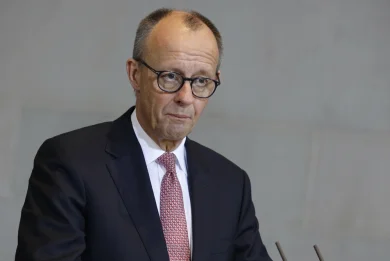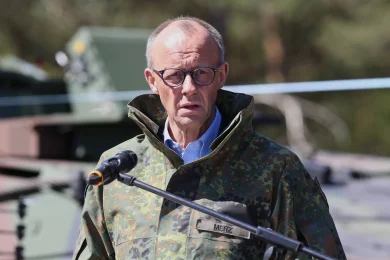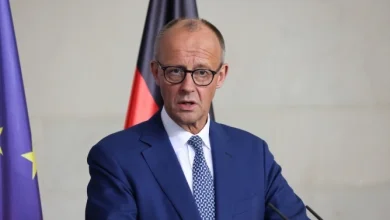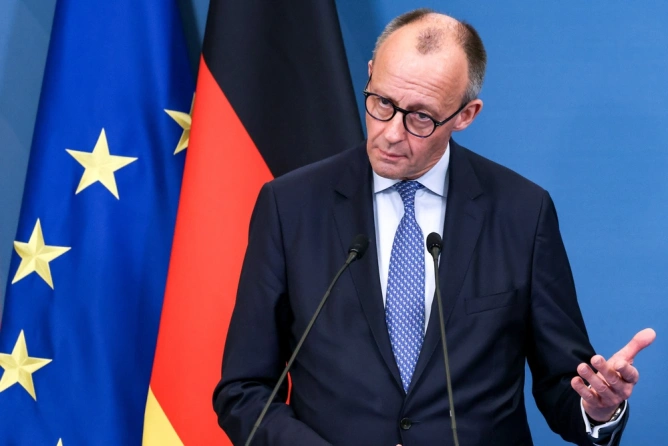

Before discussions on making the budget conditional, Friedrich Merz called for the 2028–2034 EU budget to be reduced by “hundreds of billions of euros,” considering the Commission’s proposal unsustainable. He rejected the idea of additional joint borrowing and said that all areas must contribute to reductions; Germany and other states supported the same more austere framework. At the same time, the adoption process depends on the unanimous agreement of all 27 member states, while European leaders are seeking a compromise by the end of 2026.
Meanwhile, budget negotiations were also complicated by divergent positions among groups of states: the “Friends of Cohesion” opposed the cuts and called for maintaining funds for the common agricultural policy and cohesion policy. Germany warned that a deadlock could lead to institutional paralysis in 2027, when elections are scheduled in several states.
Separately, the European Commission was seeking a political agreement by the end of the year on covering Ukraine’s financing deficit, preparing several financing options for an extraordinary summit on 26 November. In the scenarios under consideration, including frozen Russian assets was considered unlikely because of Belgium’s opposition.