Commission prepares to amend EU rules complicating the vaccination of sheep and goats in Romania



Always see our news on Google
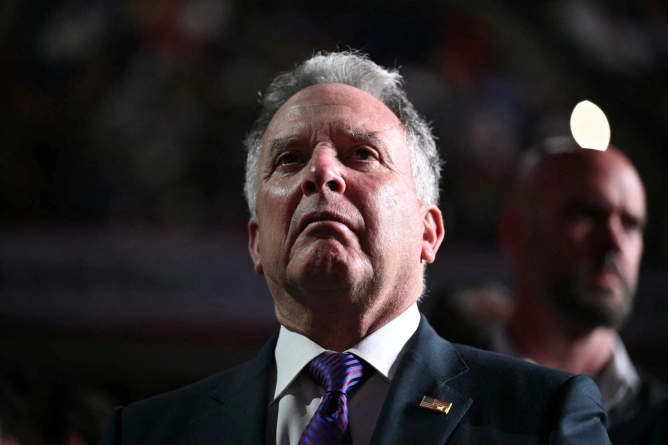
The European Commission says it has identified the technical bottleneck in EU legislation affecting vaccination against peste des petits ruminants in Romania and is already working on amending the rules. Francisco Riverigo Gordejo, head of the Animal Health Unit at DG SANTE, said that Commission services are in daily contact with the Romanian authorities and that the change should be made by the time vaccination is implemented.
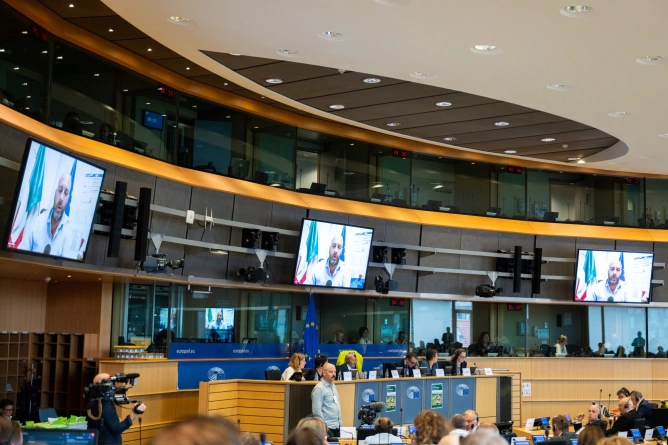
The European Commission is already working on amending part of the legislation on vaccination against peste des petits ruminants after identifying a technical bottleneck affecting Romania. Francisco Riverigo Gordejo, head of the Animal Health Unit in the Directorate-General for Health and Food Safety, DG SANTE, told MEPs on the Committee on Agriculture that the European executive’s services are in daily contact with the Romanian authorities and know exactly what problem needs to be corrected.
In brief
1.Francisco Riverigo Gordejo said that, in Romania’s case, vaccination is the solution the Commission considers necessary to eliminate peste des petits ruminants and resume trade.
2.The Commission has identified a technical bottleneck in part of the annex to a delegated regulation and says it has already begun working on amending it.
3.The European official stated that DG SANTE is in direct, daily contact with the Romanian authorities regarding the vaccination issue.
4.Current rules provide for restrictions on the movement of vaccinated animals and products derived from them and, in certain situations, a period of 24 months after the last vaccination.
5.The amendment announced by the Commission is being prepared. The new legal text has not yet been adopted, and the exact effects on trade and exports will depend on the final form of the rules.
Riverigo Gordejo responded in AGRI to questions raised by Romanian MEPs regarding the consequences of vaccination for breeders and the possibility of marketing animals and products derived from them. He presented the Commission’s position unequivocally regarding the need for health intervention: in a country where the virus is circulating, maintaining the disease blocks trade prospects, while vaccination, followed by elimination of the pathogen, may allow trade to resume.
The problem is that current European rules on vaccination against peste des petits ruminants create their own trade restrictions. The delegated regulation establishing the conditions for emergency vaccination sets rules for the movement of vaccinated animals and products derived from them. If vaccinated animals are kept on holdings, the current framework provides for a period of 24 months from the last vaccination, accompanied by clinical and laboratory surveillance. If all vaccinated animals are slaughtered or killed, the prescribed waiting period is six months.
The Commission now acknowledges that there is a problem with how these rules operate for Romania. Riverigo Gordejo explained that the bottleneck lies in the technical elements of part of the annex to the delegated regulation and that the Commission services have already identified the point that needs to be amended. He said that the European executive has begun taking action to resolve the problem and is in very close contact with the Romanian authorities.
The DG SANTE official also indicated a political timetable for the intervention, without providing a precise legal date. According to his explanation, the Commission aims to have the legislation amended by the time Romania implements vaccination. This statement indicates the European executive’s intention to coordinate the amendment of the rules with Romania’s programme, but it does not amount to adoption of the legal act or establish a binding date for its entry into force.
For the Commission, the Romanian issue is part of a broader European discussion on using vaccination instead of strategies based exclusively on slaughtering animals and restricting movement. The assessment of European animal health legislation identified vaccination as one of the areas in which the rules can be improved, both to make the instrument more attractive to countries and breeders and to reduce the trade consequences that may discourage its use.
Riverigo Gordejo cited the experience of France, Spain and Italy in combating lumpy skin disease to show that coordinated vaccination can eliminate a virus without turning trade restrictions into a permanent obstacle. He said that this experience could serve as a benchmark for adapting the rules applicable to small ruminants, with rules that take into account both the epidemiological reality and the possibility of safely maintaining trade.
The Commission nevertheless warns that vaccination does not eliminate all surveillance issues. In a vaccinated population, detecting virus circulation may become more difficult, requiring additional monitoring and higher costs. For this reason, amending the rules does not mean eliminating all controls, but rather finding a system that allows vaccination to be used without healthy animals and products derived from them remaining unnecessarily blocked by disproportionate restrictions.
There is also a difference between trade within the Union and exports to third countries. The Commission can amend European rules on health status, movement and the conditions applicable to vaccinated animals, but their acceptance in foreign markets also depends on the authorities of importing countries. DG SANTE is working in parallel to improve trading partners’ acceptance of vaccination and regionalisation as tools for combating diseases, but changing EU legislation does not automatically guarantee the reopening of every market outside the Union.
For Romanian breeders, the next decisive step will be the legal text through which the Commission amends the annex identified by Riverigo Gordejo. Only that document will show which restrictions are changed, under what conditions vaccinated animals and products derived from them will be able to move, and how quickly vaccination can be transformed from a health instrument into a realistic path toward resuming trade.
Latest News
12:20
12:16
12:13
12:04
12:04
See more news
NEWS ON THE SAME TOPICS