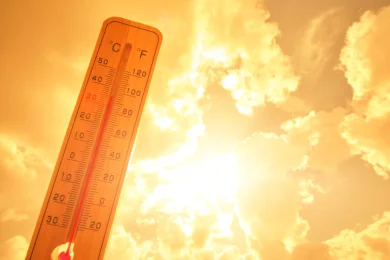
Climate disinformation has increased by three percentage points in Europe during the heatwaves and wildfires.




Always see our news on Google
Disinformation regarding climate change increased by three percentage points in the EU and Norway in July, reaching 7% of the fact-checking materials analyzed by the European Digital Media Observatory, EDMO. Participating organizations checked 104 cases on this topic, in a month marked by heatwaves and wildfires in southern Europe. In short
104 out of the 1,397 fact-checking materials published in July focused on disinformation about climate change.
The share reached 7% of the total, three percentage points above the level in June.
A widespread narrative claimed that the wildfires in France and Spain were intentionally triggered to build solar parks, renewable energy projects, or housing.
Other claims used high temperatures from the past to deny climate change or presented the current heatwaves as just a warm summer.
There were also claims that the current warming was not caused by human CO₂ emissions or that the heatwaves could be explained solely by the urban heat island effect. The heatwaves and wildfires that affected southern Europe in July were accompanied by an increase in disinformation about climate change. EDMO observes that such periods are frequently used to spread denialist narratives, conspiracy theories, and images presented in a context different from the real one. In July, the organizations participating in the analysis for the EU and Norway published 104 fact-checking materials about the climate, equivalent to 7% of the 1,397 checks analyzed. Compared to June, the share increased by three percentage points. One of the main narratives identified by EDMO focused on the causes of the wildfires in France and Spain. Claims circulated that the fires were unrelated to climate change and were deliberately caused so that the affected lands could later be used for renewable energy installations, real estate developments, or photovoltaic parks. The report frames such claims within climate disinformation and shows that real fires are used as a starting point for unfounded explanations regarding supposed economic interests behind them. Another category attempted to contest climate change using high temperatures recorded in the past. In Spain, claims circulated that the existence of very hot periods in the 1950s demonstrated that current extreme temperatures do not indicate a climate change. There were also formulations suggesting that the current heatwaves represented only a warm summer, and the attention given to them was a form of "climate hysteria." Such messages challenge the significance of climate trends based on comparisons with individual past weather episodes. Other materials attempted to provide alternative explanations for the high temperatures. Some claims attributed the June heatwave to the urban heat island effect instead of the increase in greenhouse gas concentrations. EDMO also identified claims that scientific studies demonstrated that CO₂ emissions generated by human activity do not cause current global warming. Disinformation related to extreme phenomena also included the use of images in incorrect contexts. Materials presented as coming from the current fires were used to exaggerate the scale of events or to build stories about firefighting interventions. Around the fires in Spain, for example, contradictory claims circulated about Morocco's involvement, including that it sent four water bombers for intervention or, in other materials, that it refused to cooperate. Images were also distributed claiming to show an Italian aircraft intervening in Spain. These examples are part of the same phenomenon tracked by EDMO in the summer months: real weather events become starting points for false explanations regarding the causes, intensity, or response of authorities. The report tracks the proportion of these cases in the materials published by fact-checking organizations, allowing for the observation of changes in themes from month to month. The three percentage point increase in July indicates a clear intensification of climate disinformation activity during the analyzed period. The European Digital Media Observatory published the report on August 25 and analyzed the information collected for the period from July 1 to 31, 2026. The increase from about 4% to 7% in a single month coincided with periods of heatwaves and wildfires in several areas of Europe, events that provided material for denialist and conspiracy narratives. The 104 cases represent the materials regarding climate change verified by the participating organizations and not the entire volume of false information published on the internet.

Latest News
19:01
18:58
18:52
18:33
18:12
See more news
NEWS ON THE SAME TOPICS