In January, the supermoon and the Quadrantids meteor shower overlap, but the light of the supermoon will reduce the visibility of the meteors.



Always see our news on Google
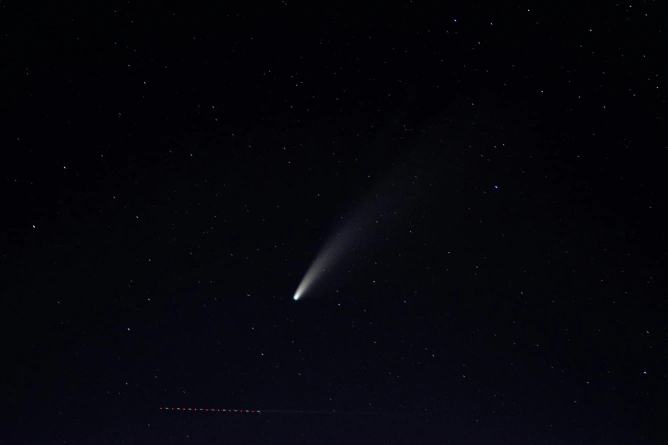
In January, the sky will offer a rare spectacle, with the first supermoon of the year and the Quadrantids meteor shower. However, the intense light of the supermoon, which will appear on Saturday, will diminish the number of visible meteors, with estimates suggesting that viewers will see fewer than 10 meteors per hour, compared to the normal 25. Meteors are the result of collisions of space rocks with the Earth's atmosphere, and the Quadrantids originate from the asteroid 2003 EH1. Supermoons, which occur when the moon is closer to Earth, are up to 14% larger and 30% brighter. Although both phenomena can be observed without special equipment, the Quadrantids are mainly visible from the northern hemisphere. The next major meteor shower, the Lyrids, will take place in April, and the next supermoon will be at the end of 2026.
Sources




Latest News
11:13
11:12
10:50
10:39
10:17
See more news
NEWS ON THE SAME TOPICS












.webp)