



A study shows that global warming could expose land rich in precious minerals in Antarctica



Always see our news on Google
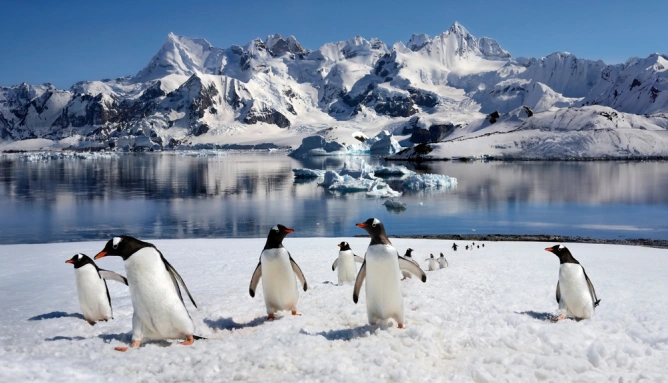
Recent forecasts suggest that by the year 2300, an area of land the size of the state of Pennsylvania could be exposed in Antarctica due to climate change. The study published in Nature Climate Change is the first to consider glacial isostatic adjustment, showing how the land rises after the ice retreats. This exposure could reshape Antarctic geopolitics and could stimulate the renegotiation of international treaties that regulate activities in the region. Erica Lucas, a geophysicist at the University of California, emphasized that as the land becomes accessible, states may become more interested in the underlying mineral resources, such as copper, gold, and silver.
Although commercial extraction of minerals is prohibited in Antarctica, a potential renegotiation of the treaty could allow for the exploitation of these resources. The first window for renegotiation will be in 2048, which could lead to pressure on the existing legal framework. However, experts emphasize that mineral extraction will remain a challenge due to the difficult conditions in Antarctica.
Sources





Latest News
10:01
09:55
09:52
09:39
09:37
See more news
NEWS ON THE SAME TOPICS
.webp)

.webp)




.webp)


