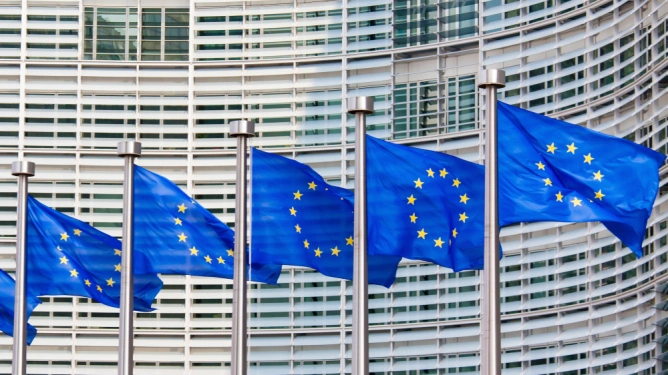
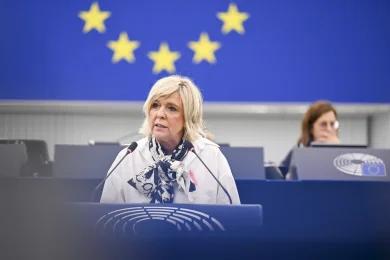
The Vice-President of the European Commission, Henna Virkkunen, intends to turn the 2020 recommendation to stop using high-risk suppliers in mobile networks into a legally binding requirement, in the context of security concerns.
Raluca Ioana Draghici


Economy
www.shutterstock.com

Always see our news on Google
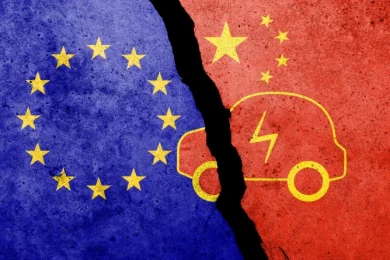
Henna Virkkunen, Vice President of the European Commission, intends to transform the 2020 recommendation to avoid high-risk suppliers in mobile networks into a legal requirement. This proposal would obligate EU member states to comply with the Commission's security guidelines, particularly in the context of the risks associated with Chinese telecommunications equipment manufacturers, such as Huawei and ZTE.
The European Commission is exploring ways to limit the use of these suppliers in fixed-line networks, while European countries rush to implement fiber optic infrastructures. Measures are also being discussed to discourage non-EU countries from collaborating with Chinese suppliers, including through restricting Global Gateway funding.
In the past, several European countries have adopted different measures against Chinese suppliers, leading to an uneven approach and security risks. Telecommunications operators oppose restrictions, arguing that Chinese technology is more affordable. The issue has been amplified by pressure from the U.S., especially during Donald Trump's administration, which banned Huawei.
Recently, a corruption scandal erupted in the European Parliament, in which Huawei lobbyists are suspected of bribing lawmakers, adding a new dimension to the tensions surrounding the involvement of Chinese suppliers in European infrastructure.
The European Commission is exploring ways to limit the use of these suppliers in fixed-line networks, while European countries rush to implement fiber optic infrastructures. Measures are also being discussed to discourage non-EU countries from collaborating with Chinese suppliers, including through restricting Global Gateway funding.
In the past, several European countries have adopted different measures against Chinese suppliers, leading to an uneven approach and security risks. Telecommunications operators oppose restrictions, arguing that Chinese technology is more affordable. The issue has been amplified by pressure from the U.S., especially during Donald Trump's administration, which banned Huawei.
Recently, a corruption scandal erupted in the European Parliament, in which Huawei lobbyists are suspected of bribing lawmakers, adding a new dimension to the tensions surrounding the involvement of Chinese suppliers in European infrastructure.
Sources


Latest News
10:41
ANM: Yellow code warning for torrential rain in several counties across the country / Where snow and sleet are expected
10:26
Siegfried Mureșan announces the PNL’s objective for the 2028 elections: a parliamentary majority without PSD and AUR
10:20
Greece proposes limiting children under 15's access to social networks to protect their health and safety
10:09
Germany and its allies reject Ireland’s plan to reduce the EU budget, deeming the cuts insufficient
09:52
Kaja Kallas announces new sanctions against Russia after the Trump-Putin oil deal
See more news
NEWS ON THE SAME TOPICS




Personalized news feed, AI-powered search, and notifications in a more interactive experience.