Hyundai Motor announces that exports to Europe and North Africa are affected by the conflict in the Middle East. Logistics costs are rising, and deliveries are facing delays.
Lara Maior


Economy
nitpicker/ Shutterstock.com

Always see our news on Google
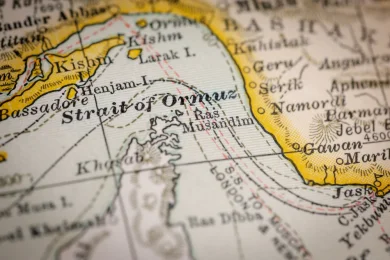
The South Korean automaker Hyundai Motor has warned that exports to Europe and North Africa, which usually transit through the Middle East, are affected by the conflict in the region. These disruptions block essential maritime routes, increasing logistics costs and delaying deliveries, putting pressure on the company and its suppliers. Kim Dong-jo, senior vice president of Hyundai, stated that the effects of the conflict will continue even after the end of the war with Iran, emphasizing that restoring supply chains will take time. During a meeting at the Pyeongtaek-Dangjin port, government officials and automakers assessed the impact of the war, noting that rising logistics costs and difficulties in sourcing raw materials are affecting production. Hyundai Glovis, the group's logistics division, announced that it can no longer use some routes from the Middle East, being forced to temporarily store goods. Although routes to the North American coasts have not been significantly affected, limited access to the Middle East and higher fuel costs reduce operational efficiency. South Korea's exports increased in March, but deliveries to the Middle East fell by 49%. Hyundai sold 358,759 vehicles globally in March, down 2.3% compared to last year.
Sources


Latest News
19:39
Commemorative plaque in Moscow in memory of the former head of East German intelligence, Markus Wolf
19:14
Teachers' unions demand that Education Ministers pay the salary rights won in court
19:06
A female police officer in Constanța accidentally fired a shot at the institution’s headquarters
18:58
Isaac Herzog officially tasked Gadi Eisenkot with forming the government
18:39
Argentina: A suspect was arrested after allegedly threatening Pope Leo XIV with death
See more news
NEWS ON THE SAME TOPICS
International
Europe will face a kerosene shortage in the fourth quarter / South Korea increases its exports
Current Affairs
Hyundai has announced the recall of over 40,000 Inster electric cars due to a possible malfunction in the battery temperature control system.

Personalized news feed, AI-powered search, and notifications in a more interactive experience.