IG Metall threatens strikes at Volkswagen amid restructuring



Always see our news on Google
Germany’s automotive industry is entering a period of tense negotiations after Volkswagen, Mercedes-Benz, Bosch and Schaeffler announced restructuring, layoffs and reduced investment. The pressures are being fueled by competition from Chinese manufacturers, U.S. tariffs and declining demand.
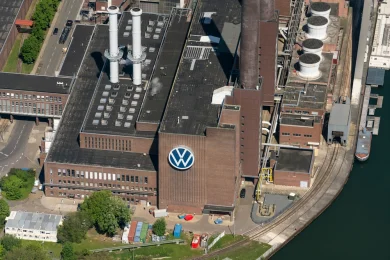
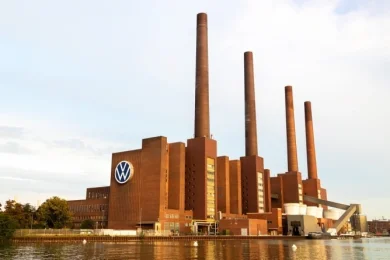
Volkswagen is at the center of the conflict. The company is beginning negotiations with the IG Metall union over further staff and wage cuts, but employee representatives consider management’s proposals unacceptable. IG Metall is threatening to launch strikes from January 1, 2027, if no compromise is reached.
The German automaker must determine the future of its European plants by the end of June 2027. Four facilities in Germany have not yet been assigned new models, and the scenarios under consideration include adapting them for military production, manufacturing automobiles for China or closing some plants over the next decade.
Protests have also taken place at Mercedes-Benz, Porsche, BMW and Audi. IG Metall is demanding 5% wage increases, while employers are offering smaller raises. High costs and declining profits are worsening the situation: one hour of labor in the German automotive industry costs approximately 65 euros, while the number of employees has reached its lowest level in at least 21 years. Exports fell by nearly 8% between 2023 and 2025.
Sources


Latest News
20:36
20:30
20:11
20:00
19:54
See more news
NEWS ON THE SAME TOPICS