.webp)

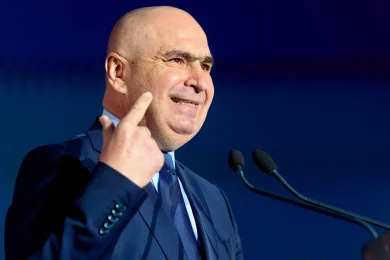
Prior to the criticism related to the governing program, interim Prime Minister Ilie Bolojan said that he did not regret increasing VAT from 19% to 21%, arguing that the measure was necessary to avoid the suspension of European funds and the risk of Romania defaulting on its obligations. He argued that Romania should have presented, within two weeks, a credible plan to improve budget revenues, following promises that had remained unfulfilled for two years.
At the same time, Bolojan warned that the political deadlock could increase interest rates and affect the country's rating, especially if the budget revision is delayed. He also proposed a compromise option: a technocratic government with limited objectives (the budget revision, closing the PNRR procedures, and drafting the 2027 budget), while rejecting, as a means of financing public spending, the idea of raising salaries through “over-taxing the private sector,” insisting on reducing spending, including by cutting public administration staff by 10%.