A study shows that medical chatbots, including ChatGPT and Gemini, provide incorrect diagnoses in 80% of cases without complete information.
Lara Maior


IT&C knowledge
Yarrrrrbright/ Shutterstock.com

Always see our news on Google
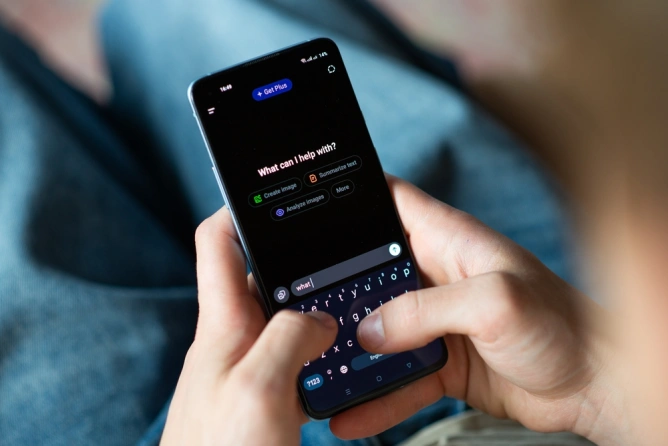
A study conducted by Mass General Brigham in Massachusetts, published in Jama Network Open, highlighted that common chatbots, such as ChatGPT and Gemini, make incorrect diagnoses in over 80% of cases when they do not have sufficient information about patients. The study tested 21 language models, including those developed by OpenAI, Anthropic, Google, xAI, and DeepSeek, using 29 clinical vignettes based on reference medical texts. Even when they had access to complete information, the chatbots had an error rate of over 40%, although in some cases they managed to provide the correct diagnosis for 90% of patients. The conclusion of the experiments is that the performance of these models significantly depends on the volume of available information, and hallucinations, that is, the invention of information, remain a major problem in generating correct responses.
Sources


Latest News
00:32
Aleksandar Vucic acknowledges the student opposition’s victory in Serbia’s snap election
22:56
Germany will participate with aircraft in the first military exercise of the Coalition of the Willing for Ukraine, which will also partly take place in Romania
22:37
Alexandru Nazare, on the audit requested by Sorin Grindeanu at all ministries: “There is absolutely no problem, it is actually a joy”
22:23
Traian Băsescu claims that Sorin Grindeanu will control the government through Marian Neacșu, while Prime Minister Luca Niculescu could become the target of criticism
22:09
Tens of thousands of Czechs protested in Prague against the reform of public media funding
See more news
NEWS ON THE SAME TOPICS



Personalized news feed, AI-powered search, and notifications in a more interactive experience.