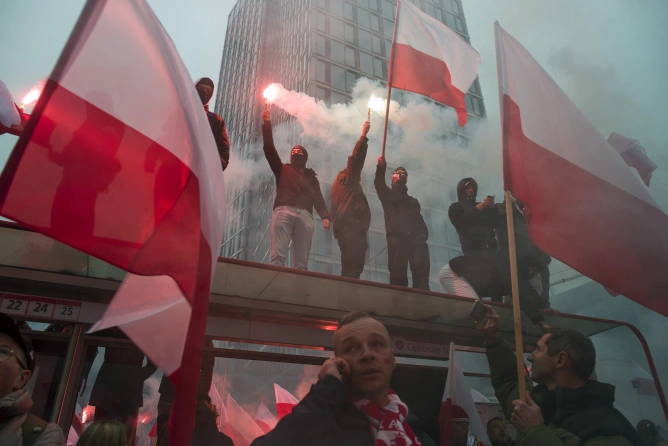

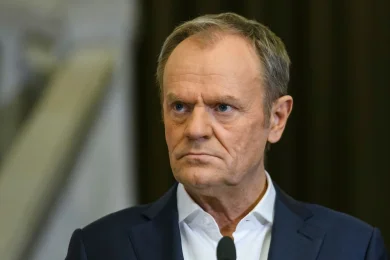
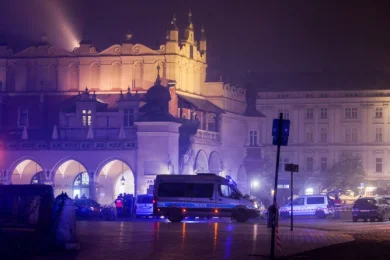
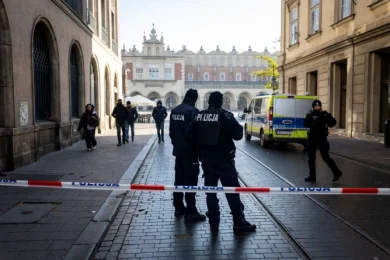
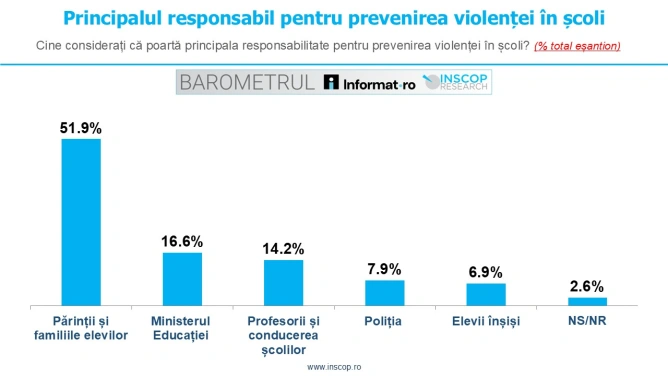
Before the march, Poland had experienced a series of attacks that led to exceptional measures: police mobilized more than 20,000 officers in schools after three stabbing incidents in four days, with authorities checking approximately 80,000 educational institutions. Prime Minister Donald Tusk convened a crisis meeting and promised measures against violence among young people, warning about the “glorification of violence” on the internet and the “cult of strength,” although the idea of a coordinated link between the attacks was rejected.
Meanwhile, political tensions related to the Constitutional Tribunal remained high: Warsaw police detained an armed man at a protest organized in front of the court. President Karol Nawrocki accused Tusk of orchestrating the takeover “by force” of a constitutional institution, while Tusk rejected the accusation, saying that he was seeking to restore the rule of law.
Against this backdrop, the Polish government also announced plans for military expansion in 2027, aiming to call up more than 300,000 reservists and recruits, with evaluation and assignment to units, as part of a strengthening of the army following Russia’s invasion of Ukraine.









 (1).webp)
.webp)