Nationalist parties maintain their dominance in Bosnia and Herzegovina, while voter turnout reaches a historic low




Always see our news on Google
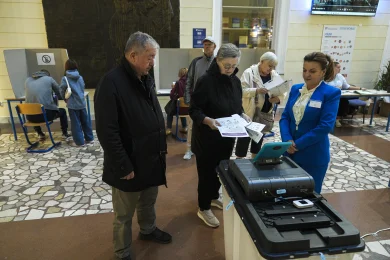
Nationalist parties remain the dominant force in Bosnia and Herzegovina after Sunday’s general elections, according to the results announced by the Central Election Commission after more than 90% of polling stations had been counted. The election was marked by a turnout of just 41.5%, the lowest level recorded to date, compared with 51.5% in 2022.
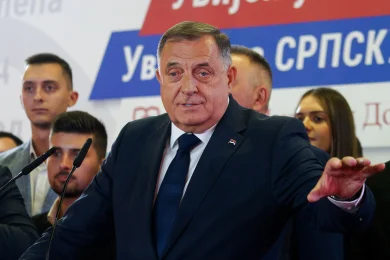
Bosniak Denis Becirovic and Serb Zeljka Cvijanovic were re-elected to the country’s tripartite presidency. The only change is the election of Croat Darijana Filipovic, from the HDZ BiH party, who replaced social democrat Zeljko Komsic. Becirovic won 38.1% of the vote, while Bakir Izetbegovic, leader of the Muslim nationalist SDA party, received 34%. Cvijanovic won with 55.6%, and Filipovic with 48.2%.
Voters also cast ballots for the federal parliament, the legislatures of the two autonomous entities, the president of Republika Srpska, and the cantonal assemblies. The complex political system and coalition negotiations, which often last for months, make it difficult to predict the future government.
Bosnia and Herzegovina remains divided among the Bosniak, Serb, and Croat communities, within an institutional structure created after the 1992–1995 war. The country has been a candidate for accession to the European Union since 2022.
Sources


Latest News
00:32
22:56
22:37
22:23
22:09
See more news
NEWS ON THE SAME TOPICS