The European Parliament warns that AI is transforming elections and putting pressure on democratic integrity.
2eu.brussels


EU
Foto: 2eu.brussels

Always see our news on Google
The European Parliament warns that artificial intelligence is beginning to transform electoral processes beyond the phenomenon of disinformation, affecting the informational structure and the mechanisms through which external interference can occur. In the context of a joint hearing, MEPs and invited experts analyzed the emerging risks to democracy and discussed how existing legislation needs to be applied and strengthened to protect the integrity of elections.
In brief
MEPs discussed the impact of AI on democracy and elections in a joint hearing. Experts warn that AI modifies the structure of electoral processes, not just the informational content. A "collapse of the informational space" has been reported under the pressure of new technologies. There is a call for more effective application of existing legislation, including the DSA and AI Act. The Parliament is preparing a report on the role of AI in European integration.
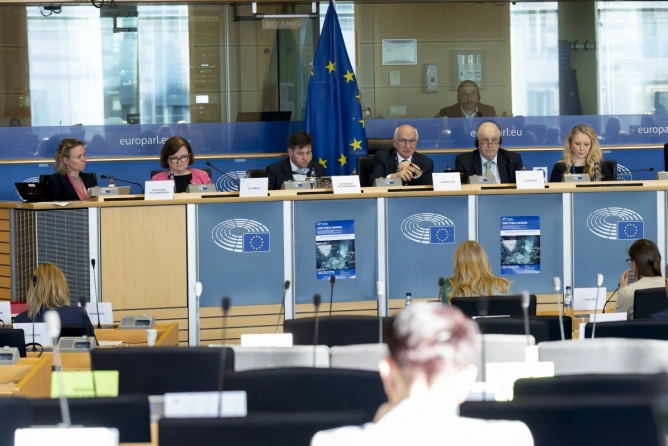
MEPs from the civil liberties and constitutional affairs committees, together with the Special Committee on European Democracy Shield, organized a joint hearing dedicated to the impact of artificial intelligence on democracy and the integrity of elections. The discussion brought together experts who analyzed the political implications of using AI globally and ways to protect electoral processes.
One of the main messages of the hearing is that the risks generated by artificial intelligence exceed the classical framework of disinformation. Ines Narciso emphasized that AI does not only affect democratic processes through false content but "transforms the structures through which external interference and manipulation can occur," drawing attention to the need for data collection and monitoring of AI patterns through well-structured governance mechanisms.
Juliane Müller warned that the current situation is much deeper than a simple regulatory issue, stating that "we are currently experiencing a collapse of the informational space" and that artificial intelligence has already begun to reshape electoral processes. She proposed closing existing gaps in digital legislation, supporting electoral authorities, and broader involvement of AI experts.
Sofia Calabrese emphasized implementation, not additional regulation, arguing that the central issue is not the lack of rules but their effective application. She called for strengthening cooperation between the public and private sectors and highlighted that digital platforms must be subjected to greater pressure for risk assessment, warning that non-compliance should lead to legal consequences.
MEPs requested clarifications regarding the role of the European Union and member states in protecting elections from external interference and the risks generated by AI. Discussions also focused on how tools for detecting AI-generated content can be improved, as well as the use of existing legislative frameworks, including the Digital Services Act, Artificial Intelligence Act, and the regulation on political advertising transparency.
At the same time, some MEPs raised concerns about new types of threats generated by AI for democracy, the need to protect European digital sovereignty, and the risk that EU intervention may be perceived as excessive in national electoral processes.
Legislatively, the Committee on Constitutional Affairs has appointed a rapporteur to draft a report on the institutional aspects of artificial intelligence in the context of European integration. The document is expected to be presented in committee in April and is anticipated to outline the Parliament's position on the role of AI in the European democratic architecture.
The debate reflects a shift in the European approach to artificial intelligence, from regulating digital content to protecting democratic infrastructure. Legislative tools such as the Digital Services Act and AI Act already provide a framework for intervention, but discussions show that the main challenge is their application in an ever-evolving technological context.
In parallel, initiatives such as the European Democracy Shield indicate that the Union is trying to build a broader protection framework against external interference and informational manipulation. The hearing suggests that AI is becoming a central file of democratic security, where the balance between regulation, national sovereignty, and the protection of electoral processes will remain a major theme in the coming period.
In brief
MEPs discussed the impact of AI on democracy and elections in a joint hearing. Experts warn that AI modifies the structure of electoral processes, not just the informational content. A "collapse of the informational space" has been reported under the pressure of new technologies. There is a call for more effective application of existing legislation, including the DSA and AI Act. The Parliament is preparing a report on the role of AI in European integration.
MEPs from the civil liberties and constitutional affairs committees, together with the Special Committee on European Democracy Shield, organized a joint hearing dedicated to the impact of artificial intelligence on democracy and the integrity of elections. The discussion brought together experts who analyzed the political implications of using AI globally and ways to protect electoral processes.
One of the main messages of the hearing is that the risks generated by artificial intelligence exceed the classical framework of disinformation. Ines Narciso emphasized that AI does not only affect democratic processes through false content but "transforms the structures through which external interference and manipulation can occur," drawing attention to the need for data collection and monitoring of AI patterns through well-structured governance mechanisms.
Juliane Müller warned that the current situation is much deeper than a simple regulatory issue, stating that "we are currently experiencing a collapse of the informational space" and that artificial intelligence has already begun to reshape electoral processes. She proposed closing existing gaps in digital legislation, supporting electoral authorities, and broader involvement of AI experts.
Sofia Calabrese emphasized implementation, not additional regulation, arguing that the central issue is not the lack of rules but their effective application. She called for strengthening cooperation between the public and private sectors and highlighted that digital platforms must be subjected to greater pressure for risk assessment, warning that non-compliance should lead to legal consequences.
MEPs requested clarifications regarding the role of the European Union and member states in protecting elections from external interference and the risks generated by AI. Discussions also focused on how tools for detecting AI-generated content can be improved, as well as the use of existing legislative frameworks, including the Digital Services Act, Artificial Intelligence Act, and the regulation on political advertising transparency.
At the same time, some MEPs raised concerns about new types of threats generated by AI for democracy, the need to protect European digital sovereignty, and the risk that EU intervention may be perceived as excessive in national electoral processes.
Legislatively, the Committee on Constitutional Affairs has appointed a rapporteur to draft a report on the institutional aspects of artificial intelligence in the context of European integration. The document is expected to be presented in committee in April and is anticipated to outline the Parliament's position on the role of AI in the European democratic architecture.
The debate reflects a shift in the European approach to artificial intelligence, from regulating digital content to protecting democratic infrastructure. Legislative tools such as the Digital Services Act and AI Act already provide a framework for intervention, but discussions show that the main challenge is their application in an ever-evolving technological context.
In parallel, initiatives such as the European Democracy Shield indicate that the Union is trying to build a broader protection framework against external interference and informational manipulation. The hearing suggests that AI is becoming a central file of democratic security, where the balance between regulation, national sovereignty, and the protection of electoral processes will remain a major theme in the coming period.

Latest News
14:47
Cseke Attila urgently calls for a budget revision / The Ministry of Health can no longer finance its institutions from available funds
14:46
Andrei Cordea could leave CFR Cluj in the winter after attracting interest from FCSB and several clubs in China
14:44
Lithuania calls for accelerating Ukraine’s accession process to the European Union
14:44
European Commission approves Tenaris acquisition of Artrom Steel Tubes, finding no competition concerns
14:39
Simina Tănăsescu and Ilie Bolojan summoned for questioning for the sixth time in the investigation concerning their meeting
See more news
NEWS ON THE SAME TOPICS




.webp)

Personalized news feed, AI-powered search, and notifications in a more interactive experience.


.webp)


.webp)