The European Union recommends to member states "that can" to reduce energy taxes.
Cristina Petrache


EU
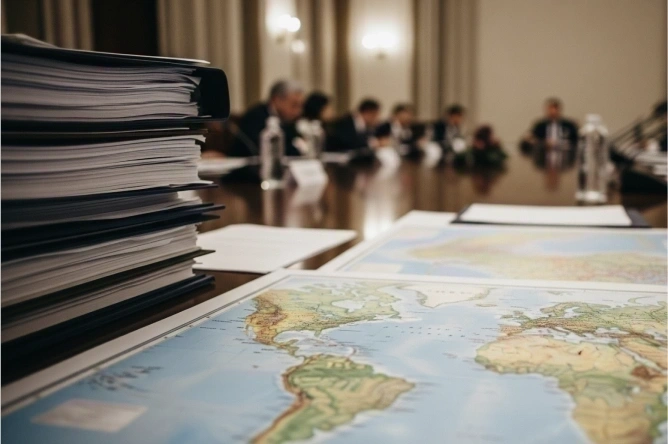
Foto unsplash.com

Always see our news on Google
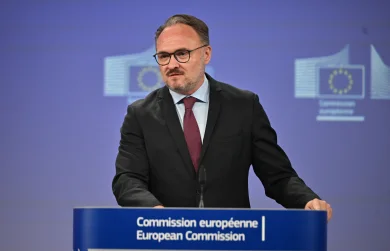
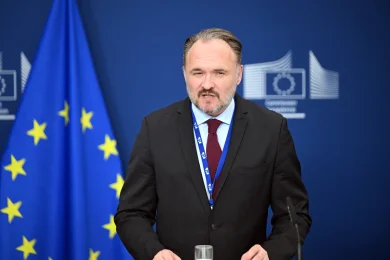
The European Commissioner for Energy, Dan Jorgensen, has recommended that EU member states with financial resources reduce energy taxes, especially on electricity, to help consumers cope with the price increases caused by the War in the Middle East. During a press conference at the European Parliament, Jorgensen mentioned that such a measure could reduce consumer bills by approximately 200 euros per year. According to the European Commission, taxes and surcharges on energy account for 25% of household costs and 15% of business costs. The Commissioner emphasized that these measures should be temporary and targeted, without altering the structure of prices or carbon pricing. He also mentioned that the EU is closely monitoring the energy situation and discussing with the International Energy Agency about the use of strategic oil reserves, in the context of a possible price crisis.
Sources

UE le recomandă statelor membre ”care pot” să scadă preţul energiei. Comisarul european însărcinat cu Energia, danezul Dan Jorgensen, calculează că această măsură poate reduce factura consumatorului cu o medie de ”200 de euro pe an”

Uniunea Europeană recomandă statelor membre „care pot” să reducă taxele pe energie

UE recomandă statelor membre să reducă taxele pe energie pentru a compensa scumpirile provocate de războiul din Orientul Mijlociu

UE recomandă statelor membre "care au posibilitatea" să reducă taxele pe energie

UE recomandă statelor membre 'care pot' să reducă taxele pe energie

UE recomandă statelor membre “care pot” să reducă taxele pe energie
Latest News
17:44
Călin Georgescu, first statements after being released from detention: “Of course I am innocent”
17:35
George Simion reacts to court ruling: “Victory for Romanians over the system”
17:27
Former director of Chișinău International Airport and former chief financial officer sentenced to 5 years in prison
17:25
Real Madrid dealt a blow after victory over Celta Vigo / Endrick has a muscle injury in his left leg
17:25
Russia will build two ferries for Kaliningrad amid logistical tensions and growing dependence on maritime transport
See more news
NEWS ON THE SAME TOPICS


Personalized news feed, AI-powered search, and notifications in a more interactive experience.











.webp)