A LIFE project tests vertical farming with 98% less water
Liviu Brăteanu


EU
Foto: Pixabay

Always see our news on Google
The LIFE FARMITANK project has demonstrated that food can be grown vertically in a removable stainless steel tank, using up to 98% less water and without pesticides or herbicides.
In short
LIFE FARMITANK was coordinated by the Spanish company PARCITANK and co-financed through the LIFE program. The system has reduced water consumption by up to 98%, and a salad grown in a FARMITANK unit required one liter of water throughout its life cycle. The carbon footprint of lettuce production was 13% lower than in conventional agriculture, and that of coriander was 29% lower. Yields were higher by up to 1,000% per square meter for aromatic plants, up to 600% for lettuce, and up to 200% for microgreens. PARCITANK has produced five FARMITANK units so far, one of which was sold to a supermarket chain.
The LIFE FARMITANK project, coordinated by the Spanish stainless steel manufacturer PARCITANK and co-financed through the LIFE program, has demonstrated a vertical farming solution in a removable stainless steel tank.
The system aims to cultivate local food, without pesticides, with significantly reduced water consumption and controlled production throughout the year.
The project addresses the pressure on the food system: increasing global food demand, less available agricultural land, climate change, and limited natural resources. According to the project presentation, global food demand is expected to increase by over 50% by 2050.
"What we aim to achieve through vertical farming is quality, consistent costs, and yields throughout the year, regardless of external weather conditions, with local production close to the cities where the food will be consumed," said Cristian Nieves, the project manager.
During the project, the team cultivated lettuce, basil, coriander, chives, and microgreens. The results were directly compared with conventional agriculture.
To assess the environmental impact, the team conducted a life cycle analysis, which measures the environmental footprint of a product from the resources used in production to delivery to the consumer.
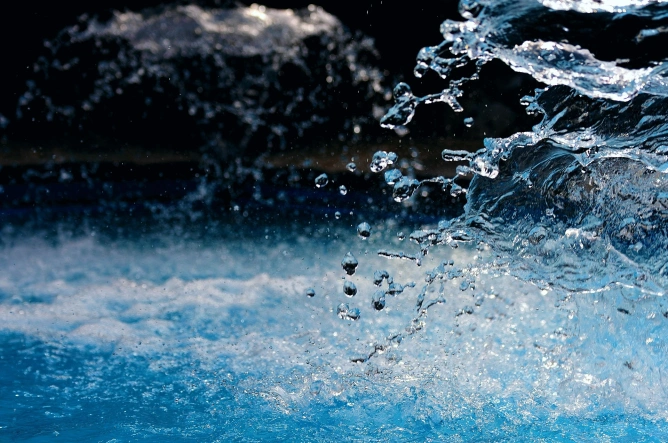
The results indicate a reduction in water consumption of up to 98%. A salad grown in a FARMITANK unit needs one liter of water throughout its life cycle, compared to 25 to 35 liters in the field.
The reduction in consumption is possible through hydroponic techniques, where plants grow in nutrient-rich water, not in soil, and through continuous recirculation of water. The system uses only the amount of water that the plant needs, and water recovered from dehumidifying the air inside the tank is reintroduced into irrigation.
The carbon footprint of lettuce production was 13% lower than that of conventional equivalents, and that of coriander was 29% lower.
The system does not use chemical products. During the project, which lasted about two and a half years, approximately 7 kg of pesticides and 1 kg of herbicides were avoided.
Yield differences were significant. Aromatic plants produced up to 1,000% more per square meter than in soil cultivation, lettuce up to 600% more, and microgreens up to 200% more.
Lettuce can achieve 25 harvests per year inside the tank, compared to five harvests in the field in Spain.
Since no pesticides are used, and the product does not need to be washed before consumption, the shelf life is longer. This can reduce food waste in the later stages of the supply chain, from supermarkets to consumers.
"The product does not suffer from the effects of washing and post-harvest handling," explained Cristian Nieves.
The FARMITANK system is a modular cylindrical tower made of stainless steel, with heights ranging from 3 to 18 meters. It can provide up to 400 m² of cultivation area on just 40 m² of ground.
At the center of the tank is a lifting platform, which allows ergonomic access to all cultivation levels for planting, transplanting, and harvesting. The system allows for automation, reduces handling time, and is designed to be accessible, including for people with disabilities.
Inside the tank, growth conditions, temperature, humidity, airflow, CO₂ levels, and irrigation are precisely controlled and monitored remotely, with real-time alerts.
Crops grow under calibrated red and blue LED light, with adjustable spectrum and intensity for optimizing plant development. This allows for the simultaneous cultivation of multiple crops.
Reflective surfaces ensure even light distribution and generate energy savings of approximately 15% compared to other vertical farming systems.
PARCITANK has produced five FARMITANK units so far, including the LIFE FARMITANK installation. One of the units was sold to a supermarket chain, and another is planned for a university researching plants for functional foods.
The company is now targeting markets in Europe and the Middle East. Entry-level units start at around 150,000 euros.
Energy costs remain a challenge. According to Cristian Nieves, the technology is not intended to replace conventional agriculture but to complement it, especially in regions affected by constraints related to food security, resources, or labor force.
The project benefited from Close-to-market support under the LIFE program. Experts provided advice, mentoring, guidance on financing, marketing support, and strategic recommendations for promoting the technology.
"The team provided us with ongoing support and guidance at all stages of implementation, offering advisory services, mentoring, guidance on financing, marketing support, and strategic recommendations on how to promote the technology. They also helped us identify relevant opportunities for showcasing the technology at trade fairs and congresses at the European level, increasing the visibility of the project and disseminating the results," said Cristian Nieves.
According to him, the support of the LIFE program was essential.
"Without this project, we probably would not have been able to demonstrate the real advantages of this type of agriculture," said Cristian Nieves.
LIFE FARMITANK is presented as a project that supports the "From Farm to Fork" strategy, the EU agenda for a more sustainable food system.
The LIFE program finances environmental and climate projects, including innovative solutions that can be brought closer to the market. Through the Close-to-market initiative, LIFE beneficiaries receive support for developing business strategies, showcasing technology, access to experts, and identifying commercialization opportunities.
Vertical farming is one of the tested solutions for food production in controlled conditions, with reduced water and space usage. In the case of FARMITANK, the focus is on local production, high yield on small areas, and reducing resource consumption.
Wider application, however, depends on costs, especially the energy required for indoor environmental control and lighting. The project presents the technology as a complementary solution to conventional agriculture, not as a replacement for it.
In short
LIFE FARMITANK was coordinated by the Spanish company PARCITANK and co-financed through the LIFE program. The system has reduced water consumption by up to 98%, and a salad grown in a FARMITANK unit required one liter of water throughout its life cycle. The carbon footprint of lettuce production was 13% lower than in conventional agriculture, and that of coriander was 29% lower. Yields were higher by up to 1,000% per square meter for aromatic plants, up to 600% for lettuce, and up to 200% for microgreens. PARCITANK has produced five FARMITANK units so far, one of which was sold to a supermarket chain.
The LIFE FARMITANK project, coordinated by the Spanish stainless steel manufacturer PARCITANK and co-financed through the LIFE program, has demonstrated a vertical farming solution in a removable stainless steel tank.
The system aims to cultivate local food, without pesticides, with significantly reduced water consumption and controlled production throughout the year.
The project addresses the pressure on the food system: increasing global food demand, less available agricultural land, climate change, and limited natural resources. According to the project presentation, global food demand is expected to increase by over 50% by 2050.
"What we aim to achieve through vertical farming is quality, consistent costs, and yields throughout the year, regardless of external weather conditions, with local production close to the cities where the food will be consumed," said Cristian Nieves, the project manager.
During the project, the team cultivated lettuce, basil, coriander, chives, and microgreens. The results were directly compared with conventional agriculture.
To assess the environmental impact, the team conducted a life cycle analysis, which measures the environmental footprint of a product from the resources used in production to delivery to the consumer.
The results indicate a reduction in water consumption of up to 98%. A salad grown in a FARMITANK unit needs one liter of water throughout its life cycle, compared to 25 to 35 liters in the field.
The reduction in consumption is possible through hydroponic techniques, where plants grow in nutrient-rich water, not in soil, and through continuous recirculation of water. The system uses only the amount of water that the plant needs, and water recovered from dehumidifying the air inside the tank is reintroduced into irrigation.
The carbon footprint of lettuce production was 13% lower than that of conventional equivalents, and that of coriander was 29% lower.
The system does not use chemical products. During the project, which lasted about two and a half years, approximately 7 kg of pesticides and 1 kg of herbicides were avoided.
Yield differences were significant. Aromatic plants produced up to 1,000% more per square meter than in soil cultivation, lettuce up to 600% more, and microgreens up to 200% more.
Lettuce can achieve 25 harvests per year inside the tank, compared to five harvests in the field in Spain.
Since no pesticides are used, and the product does not need to be washed before consumption, the shelf life is longer. This can reduce food waste in the later stages of the supply chain, from supermarkets to consumers.
"The product does not suffer from the effects of washing and post-harvest handling," explained Cristian Nieves.
The FARMITANK system is a modular cylindrical tower made of stainless steel, with heights ranging from 3 to 18 meters. It can provide up to 400 m² of cultivation area on just 40 m² of ground.
At the center of the tank is a lifting platform, which allows ergonomic access to all cultivation levels for planting, transplanting, and harvesting. The system allows for automation, reduces handling time, and is designed to be accessible, including for people with disabilities.
Inside the tank, growth conditions, temperature, humidity, airflow, CO₂ levels, and irrigation are precisely controlled and monitored remotely, with real-time alerts.
Crops grow under calibrated red and blue LED light, with adjustable spectrum and intensity for optimizing plant development. This allows for the simultaneous cultivation of multiple crops.
Reflective surfaces ensure even light distribution and generate energy savings of approximately 15% compared to other vertical farming systems.
PARCITANK has produced five FARMITANK units so far, including the LIFE FARMITANK installation. One of the units was sold to a supermarket chain, and another is planned for a university researching plants for functional foods.
The company is now targeting markets in Europe and the Middle East. Entry-level units start at around 150,000 euros.
Energy costs remain a challenge. According to Cristian Nieves, the technology is not intended to replace conventional agriculture but to complement it, especially in regions affected by constraints related to food security, resources, or labor force.
The project benefited from Close-to-market support under the LIFE program. Experts provided advice, mentoring, guidance on financing, marketing support, and strategic recommendations for promoting the technology.
"The team provided us with ongoing support and guidance at all stages of implementation, offering advisory services, mentoring, guidance on financing, marketing support, and strategic recommendations on how to promote the technology. They also helped us identify relevant opportunities for showcasing the technology at trade fairs and congresses at the European level, increasing the visibility of the project and disseminating the results," said Cristian Nieves.
According to him, the support of the LIFE program was essential.
"Without this project, we probably would not have been able to demonstrate the real advantages of this type of agriculture," said Cristian Nieves.
LIFE FARMITANK is presented as a project that supports the "From Farm to Fork" strategy, the EU agenda for a more sustainable food system.
The LIFE program finances environmental and climate projects, including innovative solutions that can be brought closer to the market. Through the Close-to-market initiative, LIFE beneficiaries receive support for developing business strategies, showcasing technology, access to experts, and identifying commercialization opportunities.
Vertical farming is one of the tested solutions for food production in controlled conditions, with reduced water and space usage. In the case of FARMITANK, the focus is on local production, high yield on small areas, and reducing resource consumption.
Wider application, however, depends on costs, especially the energy required for indoor environmental control and lighting. The project presents the technology as a complementary solution to conventional agriculture, not as a replacement for it.

Latest News
07:30
A RO-Alert message regarding the possible incursion of drones was issued Wednesday morning in the northern part of Tulcea County
07:18
Sorin Grindeanu, asked about the meeting between him and the U.S. ambassador to Greece: “If the ambassador had told me ‘don’t replace Bolojan,’ I would have done it anyway”
23:08
The Commission proposes the automatic exchange of data on the beneficial owners of real estate properties in other EU member states
22:58
Police are searching for Andrei Cristian Marin, an 18-year-old with Down syndrome who went missing from Sector 6
22:57
A Romanian man, his mother and his aunt have been arrested in Austria in a case involving the trafficking of fentanyl patches
See more news
NEWS ON THE SAME TOPICS
.webp)
.webp)


Personalized news feed, AI-powered search, and notifications in a more interactive experience.