The Arctic had the warmest year in the history of measurements, with temperatures 1.6°C higher than the 1991-2020 average.
Cristina Petrache


Environment
Foto unsplash.com

Always see our news on Google
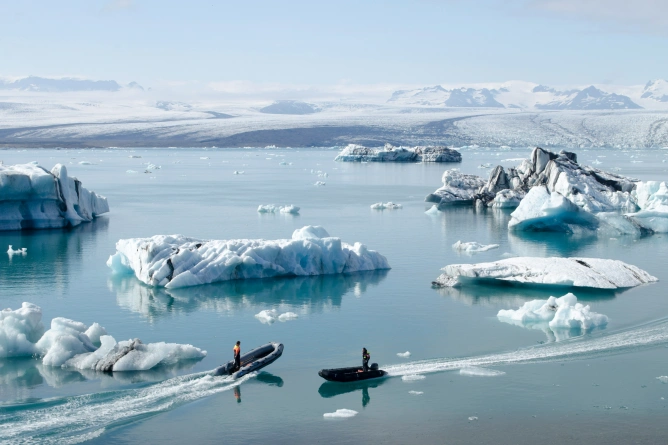
According to a report by the National Oceanic and Atmospheric Administration (NOAA), the Arctic experienced the warmest year on record, with temperatures 1.6°C higher than the average between 1991 and 2020. This rapid warming is considered alarming by researchers and may be unprecedented in the last thousands of years. The year included the warmest autumn, the second warmest winter, and the third warmest summer recorded.
A concerning aspect is the melting of the ice sheet, which has reached the lowest surface level measured in over four decades. This affects local ecosystems, including polar bears and seals, which depend on ice to survive. Additionally, the melting of the ice sheet contributes to climate change by exposing the ocean, which absorbs more solar energy.
Furthermore, precipitation has reached a new record, and the greening of the tundra has been significant, leading to the release of CO2 from permafrost. These changes have negative effects on aquatic biodiversity, with over 200 watercourses affected by water quality degradation.
A concerning aspect is the melting of the ice sheet, which has reached the lowest surface level measured in over four decades. This affects local ecosystems, including polar bears and seals, which depend on ice to survive. Additionally, the melting of the ice sheet contributes to climate change by exposing the ocean, which absorbs more solar energy.
Furthermore, precipitation has reached a new record, and the greening of the tundra has been significant, leading to the release of CO2 from permafrost. These changes have negative effects on aquatic biodiversity, with over 200 watercourses affected by water quality degradation.
Sources

Arctica a înregistrat cel mai călduros an din istoria măsurătorilor meteorologice, arată un raport NOAA

Arctica, lovită de cel mai cald an din istorie: Suprafaţa banchizei a atins cea mai mică valoare din ultimele patru decenii

„Frigiderul lumii” se încălzește accelerat. Cercetătorii avertizează că „iarna este redefinită” în Arctica
Latest News
19:27
Christine Lagarde could take over the leadership of the World Economic Forum in November, which would accelerate her departure from the ECB (Reuters)
19:21
A firefighter tried to bring 37 venomous snakes and 55 lizards hidden in luggage into Germany.
19:13
Two men convicted in Germany of spying on Jewish leaders and preparing attacks on behalf of Iran
19:08
The mayor of Slatina asks the Police not to discard evidence in the investigation concerning the mass graves in the Strehareț cemetery
18:55
The National University of Physical Education and Sport awards Nadia Comăneci the title of Doctor Honoris Causa
See more news
NEWS ON THE SAME TOPICS



Personalized news feed, AI-powered search, and notifications in a more interactive experience.