The price of Brent crude returns above the $100-per-barrel threshold amid risks in the Persian Gulf



Always see our news on Google
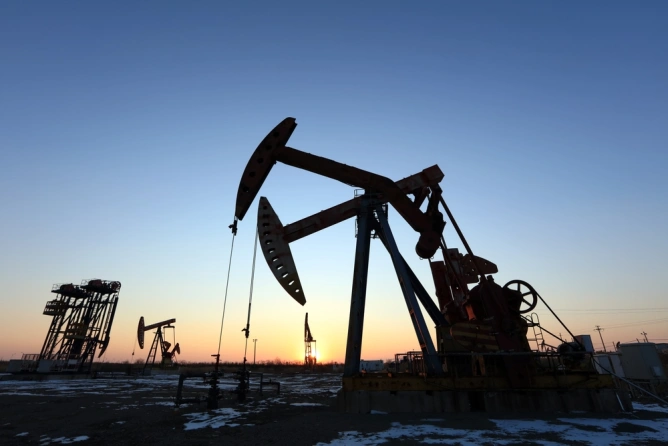
The price of Brent crude oil, the international benchmark for the sector, rose by $1.33 on Thursday, to $101.53 per barrel. U.S. West Texas Intermediate (WTI) crude gained $1.11, reaching $89.39 per barrel, according to Reuters. The movement is being driven by concerns about the safety of oil shipments from the Gulf region and near the Strait of Hormuz.
In October, attacks on oil-carrying vessels intensified. A tanker near Qatar was hit by several projectiles, an incident that resulted in casualties, according to international media. Such attacks increase risks for crews and companies, as well as insurance, operating, and transport costs.
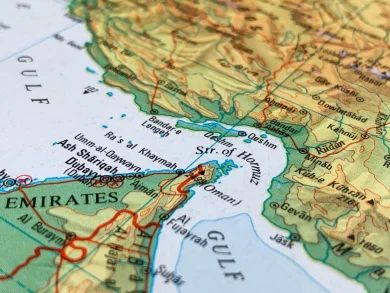
The Strait of Hormuz is a strategic route linking the Persian Gulf to the main international shipping lanes. A prolonged disruption of traffic could affect the supply of several economies and place additional pressure on prices.
The International Energy Agency has accelerated the release of oil from strategic reserves to limit the effects of the crisis. The measure may temporarily mitigate imbalances, but it does not increase global production, and the available quantities are limited.
In Europe and Romania, maintaining high quotations may lead to a gradual increase in gasoline and diesel prices, depending on the exchange rate, taxes, and refining and distribution costs. The effects may extend to transport, agriculture, and inflation.
Market developments will depend on the security of maritime routes and the continuity of exports.
Sources


Latest News
22:57
22:53
22:42
22:30
22:28
See more news
NEWS ON THE SAME TOPICS

.webp)


.webp)