EU will have 35% of plant-based feed proteins produced in Europe by 2035
Liviu Brăteanu



EU
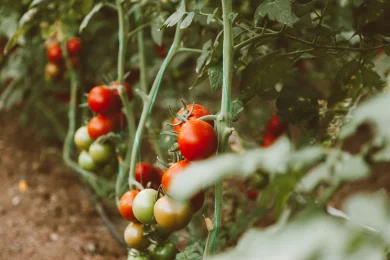
Foto: Pixabay

Sieh unsere Nachrichten immer auf Google
The European Union wants 35% of the proteins derived from oilseeds and protein crops used for animal feed to be produced within the EU by 2035, compared with 25.8% in 2025. The European Commission links this target to food security and strategic autonomy and proposes using the CAP to promote crops such as soybeans and legumes, investing in storage and processing, diversifying imports and developing alternative sources through research, circularity and biotechnology. The plan received broad support in the European Parliament’s Committee on Agriculture, but several MEPs criticised the non-binding nature of the target and the lack of dedicated funding.
In brief, the Commission wants the share of proteins from oilseeds and protein crops produced in the EU and used as feed to rise from 25.8% in 2025 to 35% in 2035. The CAP is expected to support protein crops, storage and processing infrastructure and contracts that reduce the economic risk for farmers switching production. Brussels also wants to diversify imports, including by strengthening cooperation with Ukraine, and reduce dependence on a small number of external suppliers. Around €190 million has already been invested in European research on proteins, including plant breeding, seeds, reducing fertiliser use and valorising biomass. Several MEPs warned that the 35% target is merely indicative and that the plan has no separate budget, which could limit its practical effects.
The Commission presented to AGRI the plan adopted on 7 July for the resilience, strategic autonomy and sustainability of the European protein system, arguing that import dependence represents both an agricultural and a strategic vulnerability. Pierre Bascou, a representative of DG AGRI, explained that the objective does not concern all proteins used in the livestock sector, since cereals and roughage produced in the EU already provide an important part of the requirement, but rather the high-protein segment, currently dominated by soybeans and other imported products.
“In 2025 we were at just over 25%, and our objective is to increase our capacity and the share of these products by ten percentage points by 2035,” Bascou said. The Commission considers the move to 35% realistic given the limited agricultural area and the need to maintain a balance with other land uses.
The first pillar of the plan aims to stimulate domestic production. Member states are encouraged to use CAP instruments to support legumes, soybeans and other crops adapted to local conditions, as well as to finance storage, processing and the organisation of supply chains. The Commission wants to reduce the risk for farmers switching to protein crops through contracts and investments that provide a more predictable market.
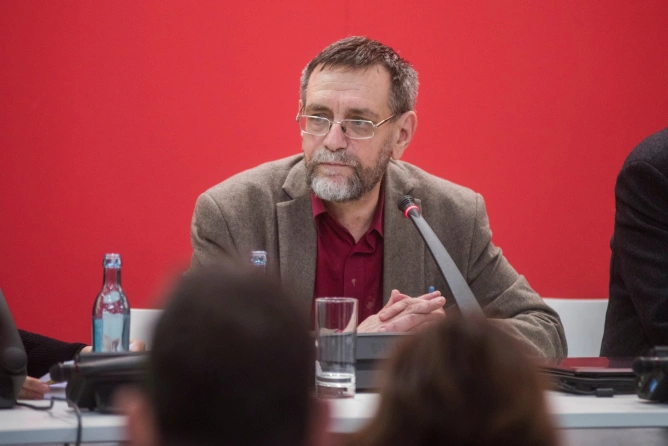
Brussels nevertheless recognises one of the main economic difficulties: growing soybeans in Europe is not sufficiently profitable in many regions compared with other crops or imports from South America. MEP Herbert Dorfmann said that the experience of recent years shows that the periodic adoption of strategies alone does not change the structure of the market if farmers do not earn enough from protein crops.
“If we want to grow more protein crops in Europe, this must be taken into account in the CAP. There must be incentives. Otherwise, we will not succeed in convincing farmers, because they simply do not see sufficient profitability,” Dorfmann said.
This time, the Commission is also trying to address demand, not just production. Bascou explained that previous European plans focused too heavily on stimulating supply and did not sufficiently change consumption, processing and market organisation. The new plan includes origin labelling, sustainability criteria in public procurement and campaigns promoting a diversified diet, alongside measures for processors and the private sector.
Research is another component. Around €190 million has already been invested in European projects related to proteins, from plant breeding and seed development to reducing fertiliser use, crop protection and the valorisation of residues and by-products as feed ingredients. The Commission also views precision fermentation, biomass fermentation and other technologies as sources that can complement conventional agricultural production.
Reducing dependence does not, however, mean abandoning imports. Brussels wants a more diversified supplier structure and identifies Ukraine as one of the partners that could play a greater role. The Commission believes that closer links between European livestock production and regional or local feed sources can reduce vulnerability to external shocks, while remaining imports should be distributed among several suppliers.
The plan separately addresses feed additives, where the EU depends on a very limited number of external sources. The Commission is preparing a study to identify the risks and measures to reduce dependence, while the AGRI debate particularly highlighted Europe’s vulnerability to China for certain types of amino acids.
Several MEPs supported the overall objective but questioned its level of ambition. Dario Nardella noted that reaching a 35% share would still leave significant dependence on imports and that the target is not binding. Other members stressed that the plan relies on existing instruments, such as the CAP, competitiveness funds, research and cohesion policy, without a separate budget line.
The Commission responded that funding must be built by combining these instruments and that the future multiannual financial framework will be decisive for developing the European protein chain. Member states will play an important role because many incentives will depend on how the measures are incorporated into national plans and the future CAP.
Brussels is also preparing to strengthen monitoring. The Commission wants to improve European protein balances for feed, establish a permanent dialogue with member states and track production and demand more closely to determine whether the 35% share is being achieved.
The plan therefore does not establish an obligation for member states or farmers to produce a specific quantity of soybeans or legumes. The 35% figure is a political benchmark for 2035, and the outcome will depend on the profitability of the crops, CAP incentives, investments in processing and the EU’s ability to create a market for locally produced proteins.
The AGRI agenda of 3 September separately included an exchange of views with the Commission on the plan for the resilience, strategic autonomy and sustainability of the European protein system}
In brief, the Commission wants the share of proteins from oilseeds and protein crops produced in the EU and used as feed to rise from 25.8% in 2025 to 35% in 2035. The CAP is expected to support protein crops, storage and processing infrastructure and contracts that reduce the economic risk for farmers switching production. Brussels also wants to diversify imports, including by strengthening cooperation with Ukraine, and reduce dependence on a small number of external suppliers. Around €190 million has already been invested in European research on proteins, including plant breeding, seeds, reducing fertiliser use and valorising biomass. Several MEPs warned that the 35% target is merely indicative and that the plan has no separate budget, which could limit its practical effects.
The Commission presented to AGRI the plan adopted on 7 July for the resilience, strategic autonomy and sustainability of the European protein system, arguing that import dependence represents both an agricultural and a strategic vulnerability. Pierre Bascou, a representative of DG AGRI, explained that the objective does not concern all proteins used in the livestock sector, since cereals and roughage produced in the EU already provide an important part of the requirement, but rather the high-protein segment, currently dominated by soybeans and other imported products.
“In 2025 we were at just over 25%, and our objective is to increase our capacity and the share of these products by ten percentage points by 2035,” Bascou said. The Commission considers the move to 35% realistic given the limited agricultural area and the need to maintain a balance with other land uses.
The first pillar of the plan aims to stimulate domestic production. Member states are encouraged to use CAP instruments to support legumes, soybeans and other crops adapted to local conditions, as well as to finance storage, processing and the organisation of supply chains. The Commission wants to reduce the risk for farmers switching to protein crops through contracts and investments that provide a more predictable market.
Brussels nevertheless recognises one of the main economic difficulties: growing soybeans in Europe is not sufficiently profitable in many regions compared with other crops or imports from South America. MEP Herbert Dorfmann said that the experience of recent years shows that the periodic adoption of strategies alone does not change the structure of the market if farmers do not earn enough from protein crops.
“If we want to grow more protein crops in Europe, this must be taken into account in the CAP. There must be incentives. Otherwise, we will not succeed in convincing farmers, because they simply do not see sufficient profitability,” Dorfmann said.
This time, the Commission is also trying to address demand, not just production. Bascou explained that previous European plans focused too heavily on stimulating supply and did not sufficiently change consumption, processing and market organisation. The new plan includes origin labelling, sustainability criteria in public procurement and campaigns promoting a diversified diet, alongside measures for processors and the private sector.
Research is another component. Around €190 million has already been invested in European projects related to proteins, from plant breeding and seed development to reducing fertiliser use, crop protection and the valorisation of residues and by-products as feed ingredients. The Commission also views precision fermentation, biomass fermentation and other technologies as sources that can complement conventional agricultural production.
Reducing dependence does not, however, mean abandoning imports. Brussels wants a more diversified supplier structure and identifies Ukraine as one of the partners that could play a greater role. The Commission believes that closer links between European livestock production and regional or local feed sources can reduce vulnerability to external shocks, while remaining imports should be distributed among several suppliers.
The plan separately addresses feed additives, where the EU depends on a very limited number of external sources. The Commission is preparing a study to identify the risks and measures to reduce dependence, while the AGRI debate particularly highlighted Europe’s vulnerability to China for certain types of amino acids.
Several MEPs supported the overall objective but questioned its level of ambition. Dario Nardella noted that reaching a 35% share would still leave significant dependence on imports and that the target is not binding. Other members stressed that the plan relies on existing instruments, such as the CAP, competitiveness funds, research and cohesion policy, without a separate budget line.
The Commission responded that funding must be built by combining these instruments and that the future multiannual financial framework will be decisive for developing the European protein chain. Member states will play an important role because many incentives will depend on how the measures are incorporated into national plans and the future CAP.
Brussels is also preparing to strengthen monitoring. The Commission wants to improve European protein balances for feed, establish a permanent dialogue with member states and track production and demand more closely to determine whether the 35% share is being achieved.
The plan therefore does not establish an obligation for member states or farmers to produce a specific quantity of soybeans or legumes. The 35% figure is a political benchmark for 2035, and the outcome will depend on the profitability of the crops, CAP incentives, investments in processing and the EU’s ability to create a market for locally produced proteins.
The AGRI agenda of 3 September separately included an exchange of views with the Commission on the plan for the resilience, strategic autonomy and sustainability of the European protein system}
Quellen

Neueste Nachrichten
20:43
Frankreich: Jordan Bardella wurde mit fast 99 % an die Spitze der Partei Rassemblement National wiedergewählt
20:09
Der EGMR weist die Beschwerde des Richters Dorin Munteanu zurück, weil er das Entschädigungsverfahren in Moldau verschwiegen hat
19:53
Der Gesundheitsminister inspizierte die Baustelle des Regionalen Notfallkrankenhauses Iași / Das Krankenhaus soll 2029 Patienten aufnehmen können
19:25
Der Riss im Wohnblock im Drumul Taberei: Die Staatliche Bauaufsichtsbehörde stellte fest, dass die Tragstruktur des Wohnblocks nicht beeinträchtigt ist / Die Bewohner sind in das Gebäude zurückgekehrt
19:07
Israel hat die Zugangspunkte nach Hebron geschlossen und fast 500 Familien als Vergeltungsmaßnahme gewaltsam vertrieben.
Mehr Nachrichten ansehen
NACHRICHTEN ZU DENSELBEN THEMEN

.webp)

Personalisierter Nachrichten-Feed, KI-gestützte Suche und Benachrichtigungen in einem interaktiveren Erlebnis.