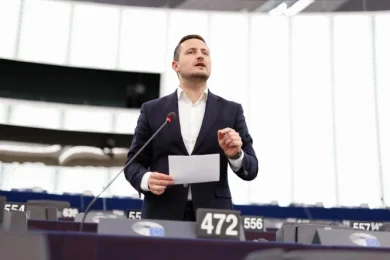
Members of the European Parliament support stricter safeguard rules to protect European farmers in the context of the Mercosur agreement.


The International Trade Committee of the European Parliament has approved stricter protection mechanisms for agricultural imports from Mercosur countries, reducing intervention thresholds, speeding up investigations, and introducing the possibility of reciprocity in production standards.
The International Trade Committee of the European Parliament has adopted its position on the new safeguard mechanisms applicable to agricultural imports related to the EU-Mercosur agreement, approving stricter thresholds, faster investigations, and additional options to protect the sensitive agricultural sectors of the EU.
1. Safeguards can suspend tariff preferences if imports harm EU producers
2. The threshold for triggering investigations decreases to a 5% increase over a three-year average
3. Investigations will last three months or two months for sensitive products
4. The possibility of applying reciprocity in production standards
The draft regulation would allow the EU to temporarily suspend tariff preferences for agricultural imports from Argentina, Brazil, Paraguay, and Uruguay if they harm European producers.
According to MEPs, the Commission should launch an investigation when imports of sensitive agricultural products "increase by 5% over a three-year average," instead of the initially proposed 10% threshold.
MEPs are also calling for faster procedures, reducing the duration of investigations "from six to three months in general and from four to two months in the case of sensitive products." The Committee INTA has also adopted an amendment whereby safeguard measures can take the form of "a reciprocity obligation for Mercosur countries to apply EU production standards."
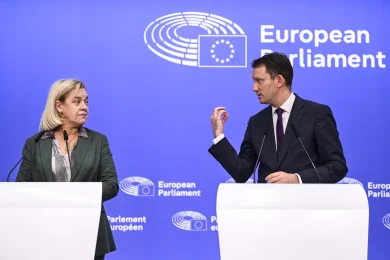
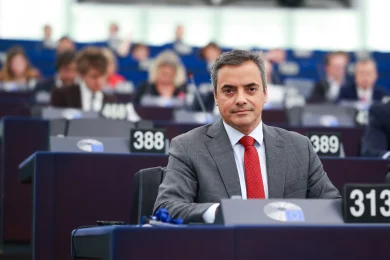
Rapporteur Gabriel Mato stated: "I welcome the strong commitment of the political groups in supporting a solid and balanced compromise. These safeguard measures significantly improve how the regulation will function, ensuring stronger protection for our farmers and a more reliable framework for implementation."
The President of the Committee INTA, Bernd Lange, added: "We listen to the voice of our farmers. Today we have shown the EU agricultural sector that if producers are negatively affected by the EU-Mercosur agreement, we will protect them." He emphasized that the new rules ensure "more rigorous monitoring by the Commission and a lower threshold for triggering an investigation."
The plenary of Parliament will vote on the negotiating mandate in the session from December 15-18, after which interinstitutional negotiations with member states can begin.
ȘTIRI PE ACELEAȘI SUBIECTE